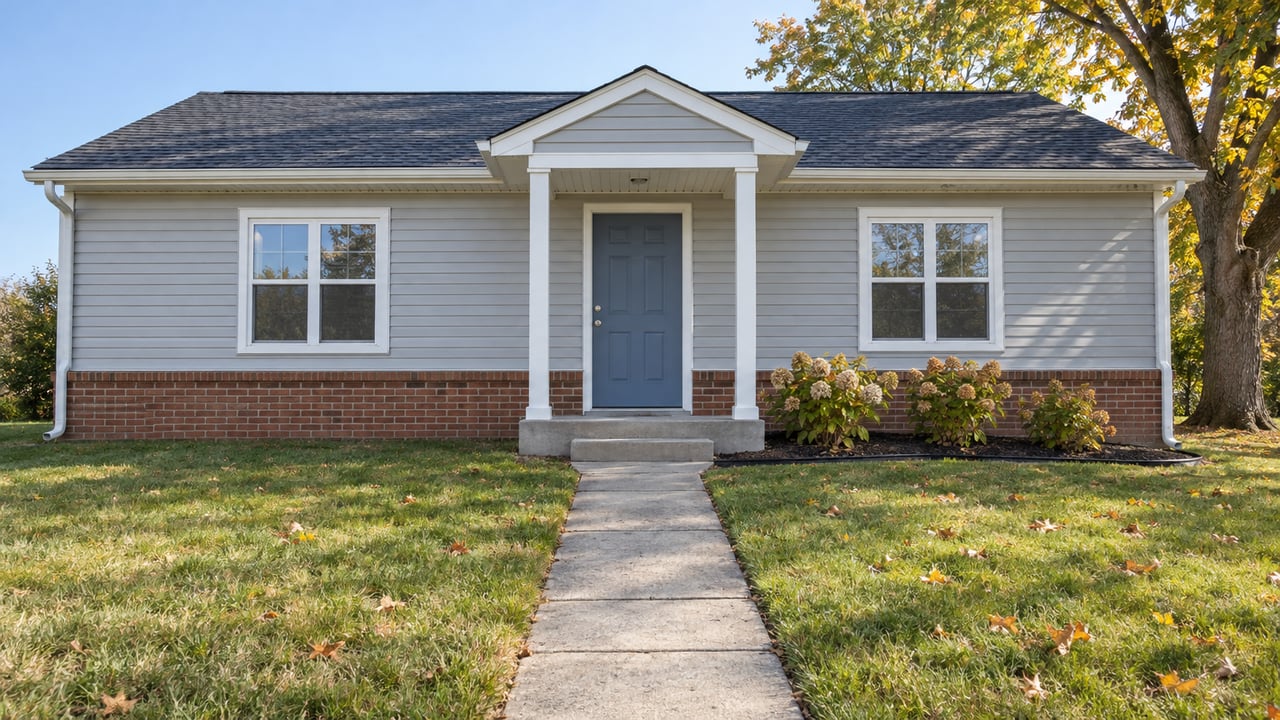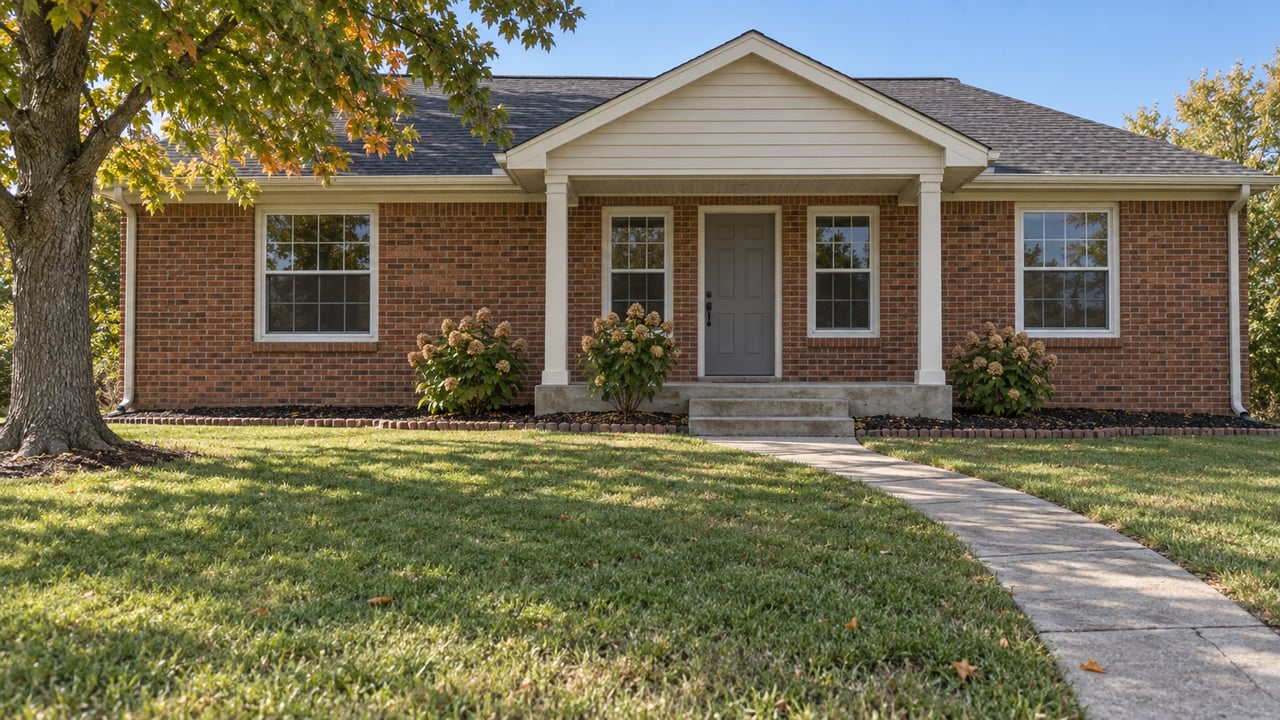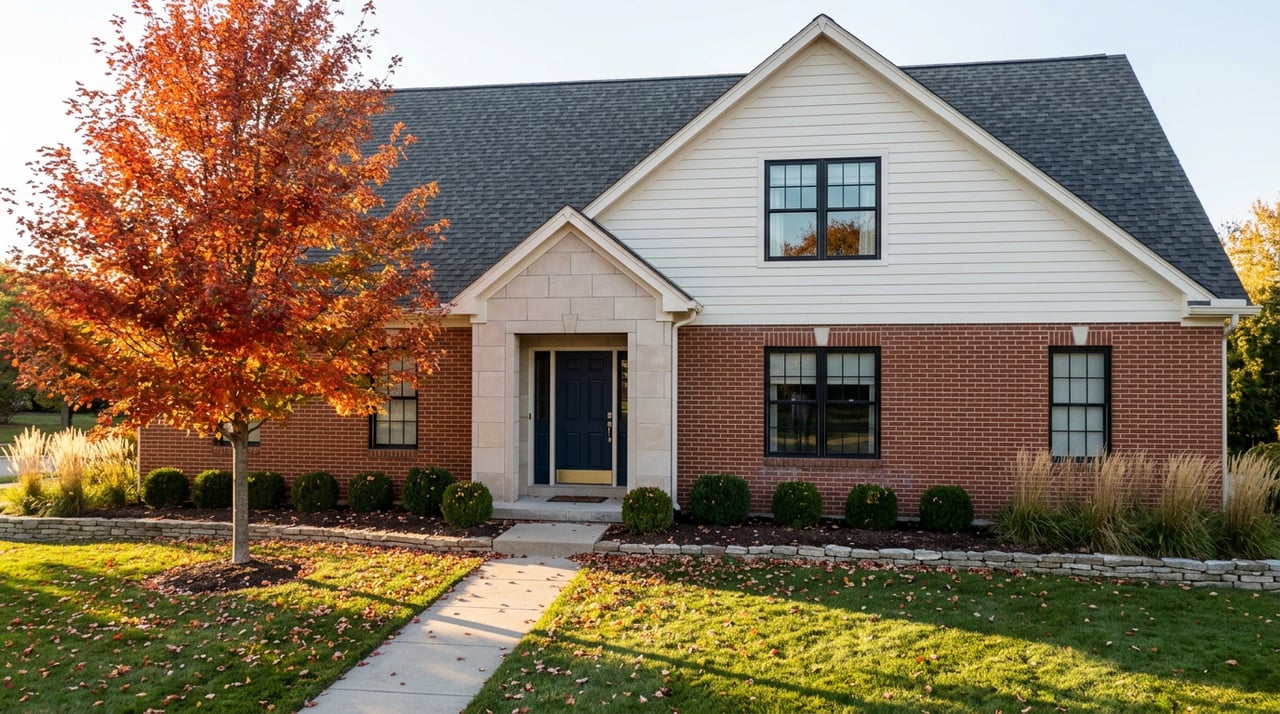
Wondering whether an auction is the right way to sell your Knox County property? For many owners, the idea still sounds like a last resort, but that is not how modern real estate auctions work. In the right situation, an auction can create a faster, more defined sale process for land, estates, unique properties, and other holdings that do not always fit a traditional listing. If you are weighing your options in Knox County, this guide will help you see when auction makes sense, what tradeoffs to expect, and what questions to ask before you decide. Let’s dive in.
Why auction can fit Knox County
Knox County has a strong rural and agricultural profile, with 447 farms covering 327,292 acres according to the USDA’s 2022 Census of Agriculture profile. That matters because properties like farm ground, acreage, inherited land, and other specialized holdings often appeal to a narrower buyer pool than a typical in-town home.
In a market like this, auction should be viewed as a property-fit decision, not a distress signal. Modern auctions are often used because they offer a more accelerated and structured sales path, especially when speed, transparency, or broad exposure to motivated buyers matters most.
When auction makes the most sense
Estate or inherited property
If you are settling an estate or handling inherited property, auction can simplify the process. It creates a set timeline, reduces prolonged negotiations, and can help families move forward when multiple heirs or decision-makers are involved.
This can be especially useful when the property is vacant, needs updates, or includes land that may be harder to price through the usual comparable sales process. Instead of waiting through an open-ended listing period, you can work toward a clear sale date.
Time-sensitive sales
Sometimes the property itself is not the main issue. The timing is. If you have already bought another home, are relocating, or want to reduce taxes, upkeep, and other carrying costs, auction can offer a more date-certain path.
That certainty is one of the biggest reasons sellers choose this route. You know when the bidding will happen, and you can plan your next steps around that timeline.
Vacant land or hard-to-price property
Auction can also be a strong choice for vacant land, rural tracts, and unique properties that are difficult to appraise. In Knox County, that may include acreage, farm-related property, or parcels with features that do not line up neatly with recent comparable sales.
When a property is unusual, the traditional market can move slowly because buyers and agents may struggle to agree on value. Competitive bidding can help reveal what the market is willing to pay in real time.
Specialized buyer pools
Some properties simply need the right audience. A tract of land, a commercial building, or a large rural holding may not attract broad interest from everyday home shoppers, but it may get strong attention from a smaller group of motivated buyers.
With the right marketing plan, an auction can concentrate that interest into one event. That can be helpful when market exposure and buyer competition matter more than a long negotiation process.
How auction differs from a traditional listing
A traditional listing usually involves showings, individual offers, negotiations, and contingencies. That approach works well for many homes, especially when buyer demand is broad and the property is easy to compare with others on the market.
An auction follows a different structure. The process is usually more compressed, terms are established up front, and buyers often complete more of their review before bidding begins.
Typical auction process
- You evaluate whether the property, market, and your goals point toward auction.
- A written contract is prepared before the property is sold at auction, as required in Indiana.
- Marketing and due diligence materials are assembled ahead of auction day.
- The auction is conducted under a specific format, such as absolute, minimum bid, or reserve.
- The winning buyer typically signs the contract, submits earnest money or a deposit, and closes on the timeline stated in the terms.
Indiana also requires auctioneers and auction companies to follow state rules on licensing, contracts, recordkeeping, and trust funds. That is one reason it is important to work with professionals who understand the process and the local market.
The main auction types to know
Absolute auction
In an absolute auction, the property sells to the highest bidder regardless of price. This format can create strong buyer interest because bidders know the property will sell that day.
For sellers, the tradeoff is obvious. You gain certainty of sale, but you give up price protection.
Minimum bid auction
In a minimum bid auction, bidding must meet or exceed a published minimum amount. This gives buyers a clear starting point while also setting some expectations around value.
It can be a middle-ground option when you want structure without going fully absolute. Still, the success of the sale depends on whether the market accepts that number.
Reserve auction
In a reserve auction, the seller can accept or reject the high bid within a stated time after the auction. This gives you more control over the final outcome.
The tradeoff is that buyers may feel less certainty. In some cases, that can reduce bidding energy or leave the property unsold if the reserve is not met.
Benefits sellers often value most
Faster timeline
One of the biggest advantages of auction is speed. Instead of waiting through weeks or months of showings and negotiations, you work toward a defined sale date.
That can be a major relief if you are managing an estate, carrying a vacant property, or trying to coordinate a move.
Lower carrying costs
A quicker sale can reduce ongoing expenses such as maintenance, taxes, and general holding costs. If the property is sitting empty or requires regular upkeep, that savings can matter.
This is one reason auction can make financial sense even when sellers are focused on net results, not just speed alone.
Competitive price discovery
Auction creates open bidding, which can help buyers compete directly in a transparent setting. For unique or hard-to-price property, that process can be useful because it lets the market reveal value.
While no sale method guarantees a specific result, competitive bidding can sometimes outperform a negotiated offer environment, especially when several qualified buyers are interested.
Fewer showings and less back-and-forth
If you do not want repeated showings and extended negotiation cycles, auction may feel more efficient. The process is structured, expectations are set ahead of time, and many decisions happen before auction day.
That can make the experience feel more manageable, especially for estate representatives or owners of rural property.
Tradeoffs to think through carefully
Most auction sales are as-is
Auction properties are often sold as-is. Buyers are generally expected to do their research on title, liens, and condition before they bid.
For you as a seller, that can simplify negotiations over repairs. But it also means the upfront information package and due diligence process matter a great deal.
Buyer terms can be stricter
Many auctions require proof of funds or pre-approval, along with earnest money or a deposit. Some terms may be more restrictive than a traditional home sale.
That can be positive because it helps screen for serious buyers. At the same time, tighter terms may limit the number of people willing or able to participate.
Fees affect the net outcome
Auction structures may include a buyer premium and other costs. Sellers should also understand any marketing expenses or seller-side fees before moving forward.
The right question is not just whether the property sells quickly. It is whether the full terms produce the result you want after all costs are considered.
Reserve auctions can leave a property unsold
If you choose a reserve format, there is a chance the bidding will not reach your minimum. That may protect your price, but it can also leave you without a sale after the event.
Before choosing this route, make sure you understand what happens next if the reserve is not met.
Questions to ask before choosing auction
Before you commit, it helps to slow down and review the details. A good auction plan is not just about the sale day. It is about the preparation leading up to it.
Here are smart questions to ask:
- Which format fits this property best: absolute, minimum bid, or reserve?
- What is the marketing plan, and how will it reach likely buyers for this type of property?
- What due diligence materials will buyers receive before bidding?
- What are the earnest money, deposit, closing, and default terms?
- Are there buyer premiums, marketing costs, or other fees that affect the final net?
- Is the auctioneer or auction company properly licensed in Indiana?
- Does the written contract clearly state the terms and conditions of the sale?
- How will funds be handled after closing?
- Have title issues and recorded liens been checked through the Knox County Recorder’s office?
- If the reserve is not met, what happens next?
Choosing the right path for your property
Not every Knox County property belongs at auction. Many homes will still perform best through a traditional listing with broader showing activity and negotiated offers.
But auction can be a smart option when the property is specialized, the timeline matters, or you want a more structured and transparent sale process. In Knox County, that often comes up with estate property, vacant land, acreage, farm-related holdings, and other difficult-to-price assets.
The key is to match the sale method to the property and your goals. That is where local experience matters. You want guidance from a team that understands both traditional listings and auction-based sales, and knows how to position your property for the market in front of it.
If you are deciding whether auction or a traditional listing is the better fit for your Knox County property, Klein Real Estate can help you weigh the options and build a strategy that fits your goals.
FAQs
When does an auction make sense for Knox County property?
- An auction can make sense when you are selling estate property, inherited property, vacant land, acreage, farm-related holdings, or other unique property where speed, structure, or competitive price discovery matters.
Is auction only for distressed property in Knox County?
- No. Modern real estate auctions are often used as an accelerated and cost-effective sales strategy, not just for distress situations.
What types of property are commonly sold at auction in Knox County?
- Common candidates include estate property, vacant land, rural tracts, hard-to-appraise property, and other specialized assets with a narrower buyer pool.
How is an auction different from a traditional listing in Indiana?
- An auction uses pre-set terms, a defined bidding date, and often fewer contingencies, while a traditional listing usually involves showings, negotiated offers, and more back-and-forth.
What auction types should Knox County sellers know?
- The main types are absolute auction, minimum bid auction, and reserve auction, and each offers a different balance of certainty and price protection.
What should Knox County sellers verify before selling at auction?
- You should verify the auctioneer or auction company is properly licensed in Indiana, review the written contract carefully, understand all fees and terms, and confirm title and recorded liens have been checked.
Do buyers have to move faster in a Knox County auction sale?
- Often, yes. Buyers may need proof of funds or pre-approval, earnest money, and a willingness to close on the timeline stated in the auction terms.
Can a reserve auction in Knox County end without a sale?
- Yes. If bidding does not meet the seller’s minimum in a reserve auction, the property may remain unsold depending on the terms set in advance.