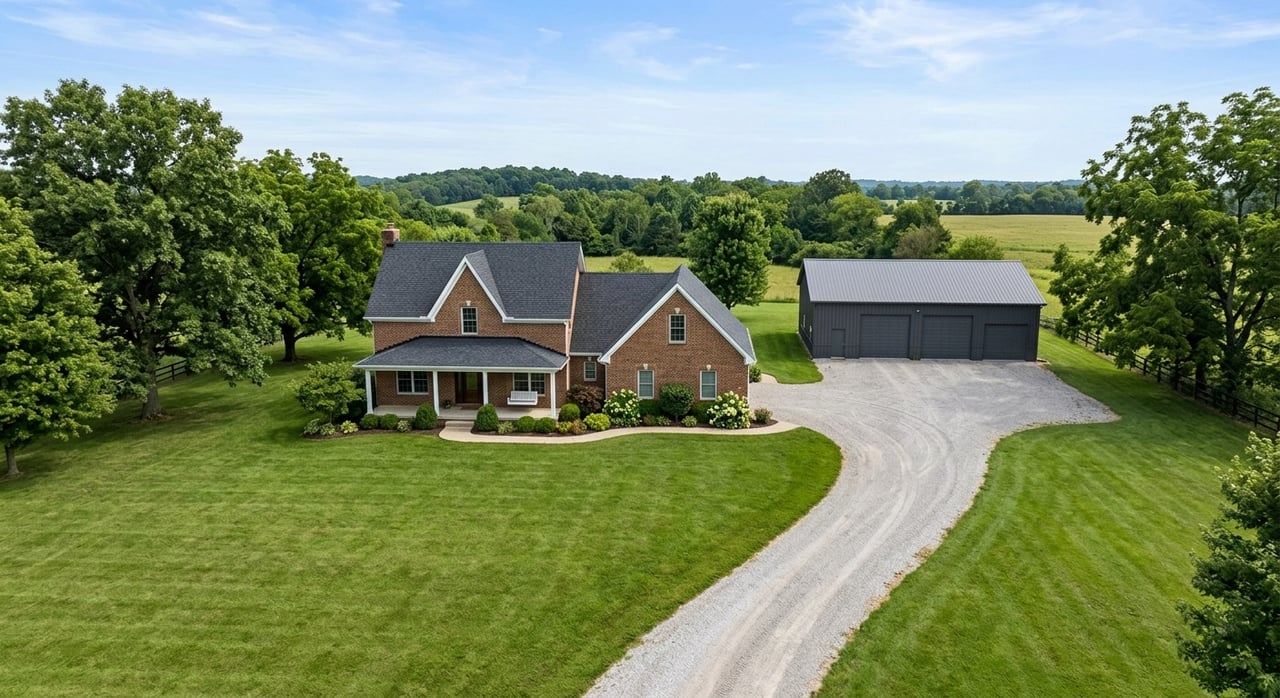
Dreaming about a few acres, a barn, and room to spread out in Knox County? That kind of property can be a great fit, but buying small acreage or a hobby farm is usually more complex than buying a house in a typical neighborhood. If you want to avoid surprises, it helps to understand zoning, septic, access, floodplain issues, and financing before you fall in love with a listing. Let’s dive in.
Why rural property is different
When you buy a home on small acreage, you are not just buying a house. You are also buying land, possible outbuildings, utility needs, and a set of county rules that may affect how you can use the property.
In Knox County, those details often matter just as much as the home itself. A parcel might look perfect online, but the real question is whether it fits the way you plan to live on it.
Know the zoning first
One of the first things to confirm is the parcel’s zoning district. In Knox County, the three districts most relevant to small acreage and hobby-farm buyers are A-1 Exclusive Agriculture, A-2 Non-Exclusive Agriculture, and R-A Rural Residence.
Each district allows different uses, even though all three can include rural residential living. That is why zoning should be one of your first due-diligence steps, not an afterthought.
A-1 zoning in Knox County
A-1 zoning is agricultural-first land. Permitted uses include farm use, farm dwellings, greenhouses, plant nurseries, home occupations, kennels, roadside produce sales stands, oil and gas production, and accessory uses normally associated with agricultural operations.
The minimum lot size in A-1 is one acre. This district is designed for agricultural uses, so it is not intended to function like a large-lot residential subdivision.
A-2 zoning in Knox County
A-2 zoning allows all A-1 uses and adds more flexibility. Permitted uses also include things like butcher or custom meat processing, riding stables, rural business or services, marinas, public camps, and seasonal hunting or fishing lodges.
The minimum lot size in A-2 is also one acre. If you want a rural property with a little more flexibility, this district may be worth a closer look.
R-A zoning in Knox County
R-A Rural Residence zoning is more residential in nature. It permits uses such as single-family dwellings, two-family dwellings, farm use, truck gardens, greenhouses, roadside produce sales stands, worker housing, and accessory uses.
Like A-1 and A-2, the minimum lot area is one acre. The county code also notes that this district is meant to sit near farming areas, and residents may be affected by normal farm noise, dust, and odor.
Match the property to your plans
Before you write an offer, be clear about how you want to use the property. Do you want a garden and a few animals? A large outbuilding? A roadside produce stand? Space for farm-related improvements later?
Those details matter because a property that works for one buyer may not work for another. A good rural purchase starts with confirming whether your intended use is allowed by right, may need extra review, or may require a variance or conditional use.
Outbuildings and barns matter more here
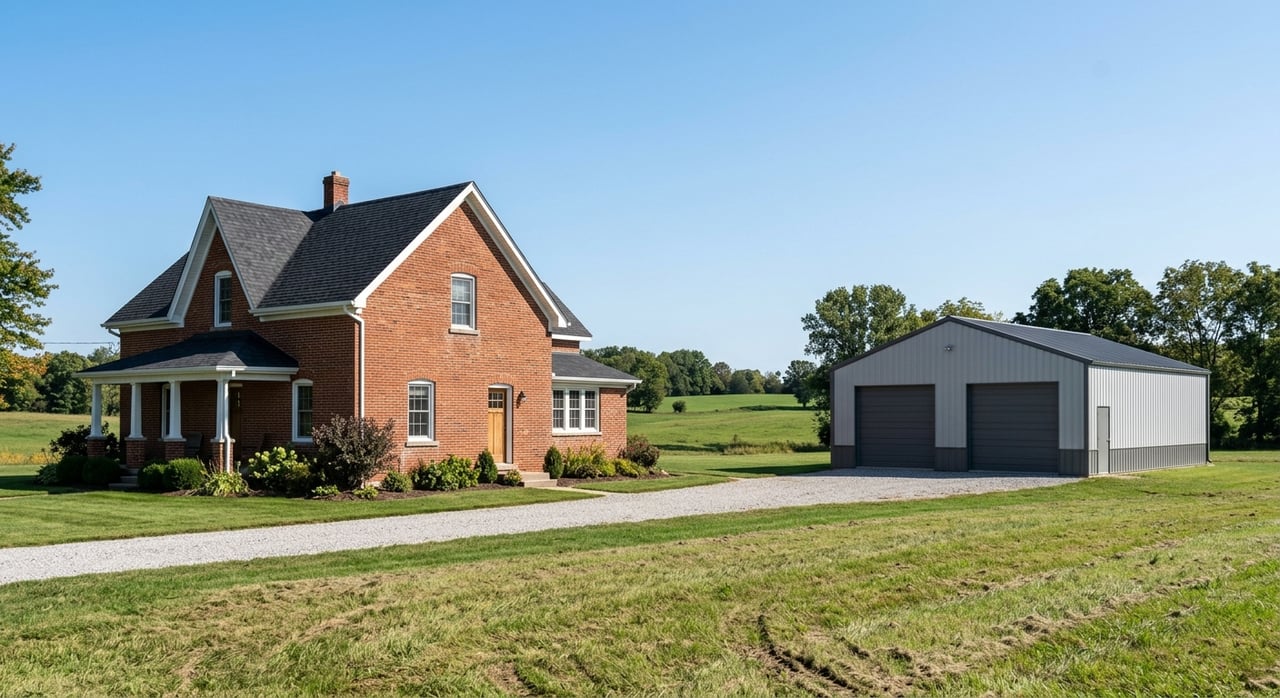
One major difference with rural property is how agricultural structures are treated. In Knox County, agricultural buildings and farm-related structures can be allowed on agricultural-zoned parcels with required permits even if there is no principal structure on the lot.
The code also exempts barns and silos in agricultural districts from the usual rule that an accessory structure cannot be used until the principal structure is in use. That flexibility can be helpful, but it does not mean you should skip permit questions.
Ask about permits early
Many accessory uses still need an Improvement Location Permit. That can apply to structures and improvements like sheds, barns, fences, gates, and similar features, depending on the situation.
If a property already has outbuildings, you will want to understand whether they were properly permitted. If you plan to add improvements after closing, it is smart to ask about the process before you buy.
Septic, sewer, and soil can change everything
For many small-acreage buyers, wastewater planning is one of the biggest issues. Knox County requires every new building or use to have adequate sewage disposal, whether that means public sewer, semi-public sewer, a package treatment plant, or an on-site system approved through the county process.
If the property will rely on septic, the county requires a Knox County Health Department permit and a certified soil scientist report showing the parcel can accommodate the system. Soil, slope, and water conditions can affect what is feasible and may even affect required lot size.
Why septic due diligence matters
Two parcels with the same acreage can have very different buildability. A lot may look open and usable, but if soil conditions are poor or the best septic area conflicts with setbacks, drainage, or floodplain limits, your options may narrow fast.
This is especially important if you are buying vacant land or a property where you plan to add another structure. In rural transactions, septic questions are not minor details. They are central to whether the property works.
Water, utilities, and easements
Rural utility planning is not always simple. Under Knox County subdivision rules, utilities in residential subdivisions are generally installed underground, utility easements are required when services are not in public rights-of-way, and water and sewer planning must be coordinated with the proper operating authorities.
If municipal or community water is not available, the county rules allow either a community water system or an individual water supply on each lot, subject to state and local requirements. For buyers, that means you should confirm the actual water source rather than assume it works like an in-town property.
Access and drainage deserve close review
A beautiful rural setting can lose some of its appeal if access is complicated. Knox County subdivision rules require at least one access point from an existing public right-of-way, and some driveway situations may require commission approval.
Drainage is important too. The county’s stormwater guidance says controlled stormwater release is generally required for new development, redevelopment, and new construction, although agricultural development and residential uses of two units or less are among the exceptions. The county also advises discussing projects with the county surveyor as early as practical.
Check the buildable area
On rural property, the total acreage is not always the same as the usable acreage. Easements, drainage paths, access layouts, and utility locations can all affect where you can place a home, barn, fence, driveway, or septic system.
That is why buyers should look beyond the headline acreage number. What matters most is how much of the parcel is truly functional for your goals.
Floodplain status can affect cost
Floodplain status is another major item to verify early. According to the Indiana Department of Natural Resources, local planning or zoning officials in NFIP communities usually maintain floodplain maps, and lenders typically require flood insurance if a structure is located in an identified floodplain and the community participates in the National Flood Insurance Program.
That does not automatically make a property a bad fit. It does mean you should understand the impact on insurance, financing, and future building plans before moving forward.
County offices to know before closing
For rural buyers in Knox County, the Knox County Area Plan Commission is a key resource. The office administers the county’s comprehensive plan, zoning ordinance, subdivision control ordinance, flood damage prevention ordinance, and E-911 addressing ordinance.
The APC reviews Improvement Location Permits, floodplain development permits, subdivision plats, and land divisions. The Board of Zoning Appeals handles conditional uses, variances, and appeals of staff decisions.
Useful Knox County timing details
The county states that the APC meets on the first Tuesday of each month at 6:00 PM EST, and the BZA meets on the third Tuesday of each month at 6:30 PM EST. The APC office is located at 111 N. 7th Street, Suite 13, Vincennes, IN 47591, and the listed phone number is 812-885-2544.
If your property plans may require review, those meeting dates can matter for your timeline. In some cases, asking questions before closing can save you time and frustration later.
Financing a hobby farm purchase
Financing rural property often starts with a simple question: is the property mainly residential, or does it cross into income-producing use? That line matters, especially if you are considering USDA financing.
The USDA Section 502 Guaranteed Loan Program offers 100% financing for eligible buyers through approved lenders. The property must be in an eligible rural area, the buyer must occupy it as a primary residence, income cannot exceed 115% of median household income, and the property cannot be income-producing.
USDA financing and acreage
USDA says there is no set acreage limit as long as the acreage is common for the area. The program can also include closing costs, utility connection fees, escrow items, essential household equipment, and site-preparation costs in the transaction.
That can make USDA an important option for Knox County buyers looking at small acreage. But the details of how you plan to use the property still matter.
Business use can change financing
If you plan to have livestock sales, crop sales, boarding, agritourism, or even a roadside stand, tell your lender early. USDA states that the home must be the borrower’s primary residence and cannot be an income-producing property.
Even if the property feels mostly residential, those details may affect how the lender classifies the parcel. It is always better to have that conversation upfront.
Another USDA option
The USDA Section 502 Direct Loan Program is aimed at low- and very-low-income applicants in eligible rural areas. USDA says direct loans can help purchase, build, repair, renovate, or relocate a home and can also be used to purchase and prepare a site, including water and sewage facilities.
USDA also notes that the loan amount is based on repayment ability and the county area loan limit, and no down payment is typically required. As always, buyers should compare options with approved lenders because USDA does not endorse any specific private lender.
A smart buyer checklist
When you are looking at small acreage and hobby farms in Knox County, keep this checklist in mind:
- Confirm the zoning district
- Verify your intended land use is allowed
- Ask whether outbuildings or improvements need permits
- Review septic or sewer status
- Confirm the water source
- Check legal access from a public right-of-way
- Ask about drainage and stormwater issues
- Verify floodplain status
- Review easements that may affect the buildable area
- Make sure the property fits your financing program
Why local guidance helps
Rural property purchases come with more moving parts than many buyers expect. The right property is not just about square footage or acreage. It is about whether the land, rules, utilities, and financing all line up with your plans.
That is where local experience matters. If you are thinking about buying small acreage or a hobby farm in Knox County, Klein Real Estate can help you look beyond the listing photos and ask the practical questions that matter before you close.
FAQs
What zoning should you check when buying small acreage in Knox County?
- The three most relevant zoning districts are A-1 Exclusive Agriculture, A-2 Non-Exclusive Agriculture, and R-A Rural Residence, and each allows different uses.
What septic rules apply to rural property in Knox County?
- New buildings or uses must have adequate sewage disposal, and on-site systems require a Knox County Health Department permit plus a certified soil scientist report showing the parcel can support the system.
What should you know about barns and outbuildings in Knox County?
- Agricultural buildings and farm-related structures may be allowed on agricultural-zoned parcels with required permits even without a principal structure, but permit rules still need to be reviewed.
What floodplain issue matters when buying a hobby farm in Knox County?
- If a structure is in an identified floodplain, a lender will often require flood insurance, so floodplain status should be checked early in the process.
What financing option may help buyers purchasing rural property in Knox County?
- The USDA Section 502 Guaranteed Loan Program may offer 100% financing for eligible buyers and properties, but the home must be a primary residence and cannot be income-producing.
What county office handles zoning and permit questions for rural property in Knox County?
- The Knox County Area Plan Commission handles zoning administration, Improvement Location Permits, floodplain development permits, land divisions, and related planning questions.