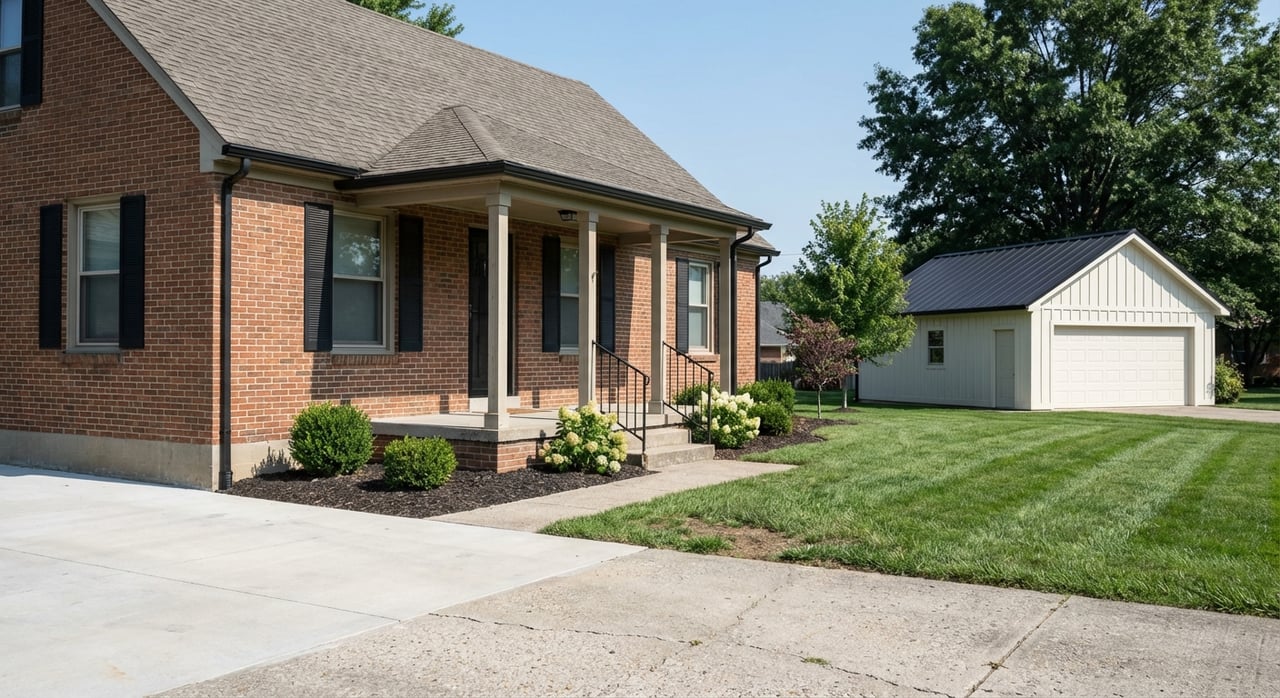
Trying to choose between a walkable Vincennes address and wide-open space in rural Knox County? You are not alone. Many buyers compare commute times, lot sizes, and day-to-day convenience against privacy and room to spread out. This guide breaks down the key tradeoffs with local data so you can pick the setting that fits your lifestyle and budget. Let’s dive in.
Big picture: how the areas differ
Vincennes is the population center of Knox County, while outlying areas are lower-density towns and farmland. That difference shapes everything from housing types to commute times. Census data shows Vincennes is the county’s population hub, which helps explain the city’s concentration of services, employers, and in-town amenities.
Housing and lot sizes
In-town Vincennes homes
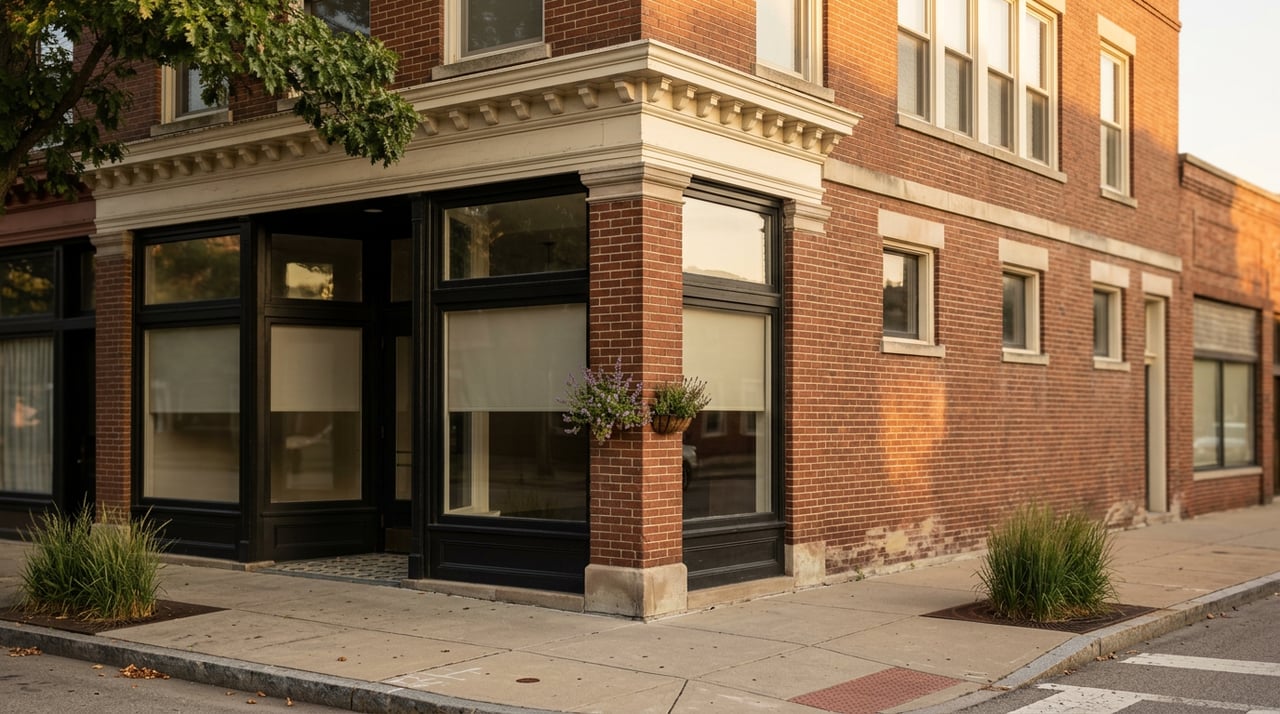
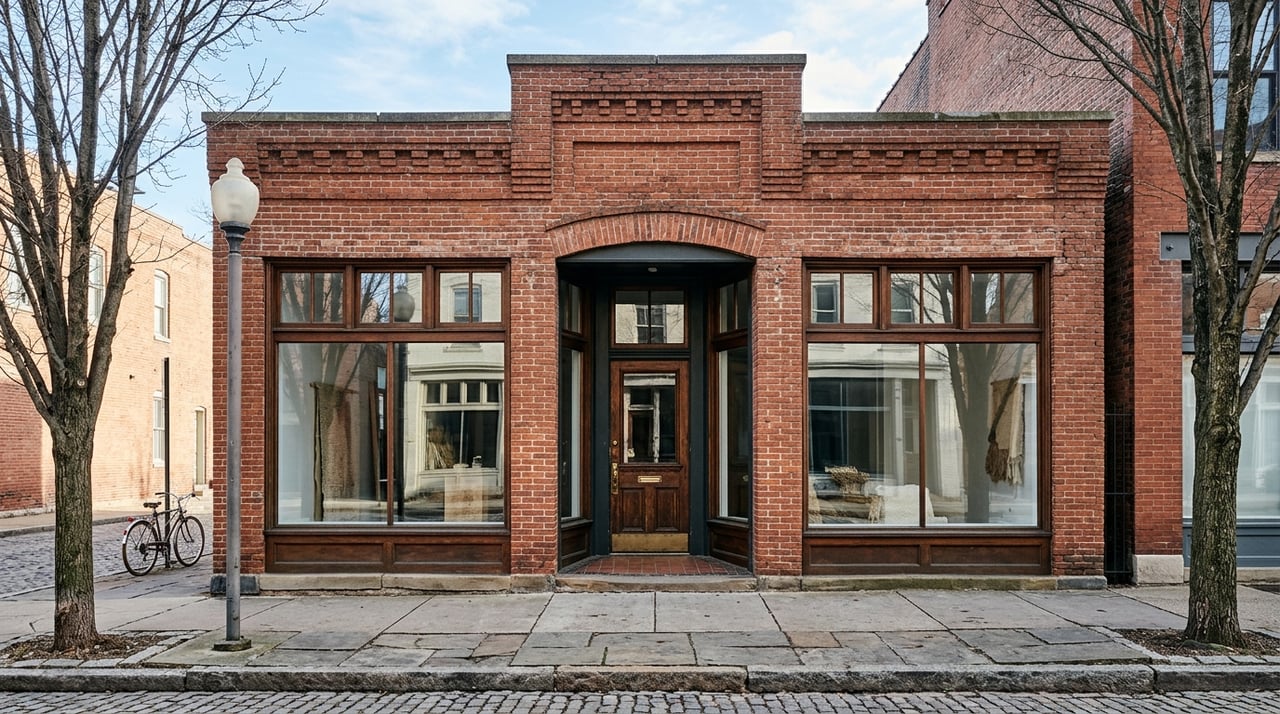
Inside city limits, you will find older, walkable neighborhoods, a historic downtown grid, and a mix of single-family and multi-unit housing. Many homes date to earlier eras, including pre-1950 stock, with compact parcels and narrower frontage. A sizeable share of the housing is renter-occupied, which adds variety to the streetscape and housing options. These patterns create smaller average lots than you typically see in the country.
Typical city lot sizes
In Vincennes, MLS listings commonly show parcels from a fraction of an acre up to about 0.25 to 0.5 acre, with historic blocks sometimes under 0.1 acre and edge-of-town subdivisions a bit larger. This range is what most in-city buyers see during an urban search. It is smart to review lot dimensions and setbacks if you plan to add a garage, fence, or accessory structure.
Rural parcels and zoning
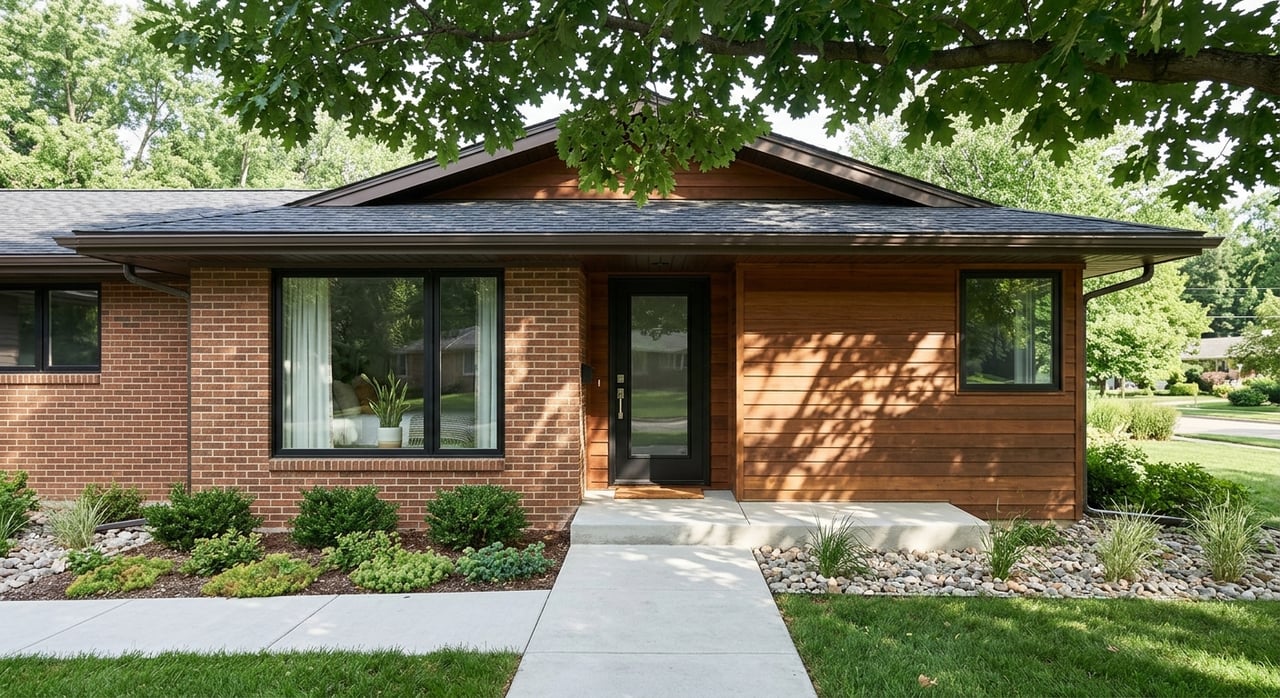
Outside the city, rural parcels are often measured in acres, not tenths. The county’s R-A Rural Residence zoning sets a minimum lot size of one acre and is intended for large-lot, semi-rural homes that may adjoin farmland. That helps explain why 1 to 5 plus acre offerings are common in the country. You can review permitted uses and minimums in the Knox County zoning ordinance.
Services, utilities, and permits
City homes are much more likely to have municipal water and sewer. Many rural properties rely on private wells and septic systems, so you will want to verify system age, capacity, and any replacement-area requirements before you buy. For parcel records, permits, and service-area details, use the county assessor and resources portal at Knox County Engage and contact the Knox County Area Plan Commission with zoning or septic questions.
Commute and transportation
Knox County is car-oriented overall, but commute times differ by setting. The mean travel time to work is about 15.3 minutes for Vincennes residents and about 19.8 minutes countywide. Those figures reflect the city’s proximity to jobs and services compared with longer rural drives, according to Census estimates for Vincennes. If a short daily drive or quick school drop-off matters to you, in-town living often wins. If you want acres and privacy, plan for more time in the car and test your route during peak hours.
Everyday amenities and lifestyle
Healthcare and major employers
Vincennes is home to Good Samaritan, the area’s primary hospital and a major employer, which many buyers value for close medical access and jobs. Learn more about the community setting on Good Samaritan’s local page. Vincennes University’s main campus brings cultural events, student life, and additional employment opportunities. For background, see Vincennes University’s overview.
Groceries, retail, and errands
City residents have short drives to full-service grocery and big-box retail. Vincennes includes a Walmart Supercenter at 650 Kimmell Rd, which makes routine errands convenient for in-town households. View the Vincennes Walmart store page. Rural residents often plan weekly trips into town for supermarket runs and supplies.
Downtown and culture
Vincennes’ historic downtown and riverfront offer walkable restaurants, shops, and community events. If you want a small-city feel with places to stroll on weekends, that is a clear point in favor of living in or near the city core. Hospital and university resources describe downtown as a community hub with a steady calendar of activities and amenities.
Internet and remote work
The city and county participate in Indiana’s broadband-ready efforts, which signals work toward improved digital infrastructure. Even so, rural service can vary by address, so confirm provider options and speeds for any property you are considering. You can check the state’s listing of certified broadband communities and then verify service directly with ISPs.
Floodplain and site considerations
Vincennes sits on the Wabash River, and some riverfront or low-lying parcels may be in FEMA flood zones. Before you buy near rivers or streams, check flood maps, ask about insurance requirements, and review drainage history. The county’s planning staff and assessor portal can help you identify mapped floodplains for a specific parcel and explain any permit steps.
Budget and resale context
If you are budget-sensitive, the numbers can be helpful. The median value of owner-occupied housing in Vincennes is roughly 110 to 112 thousand dollars, while the county median is about 137 to 138 thousand dollars. The county-level median selling price was around 135,400 dollars in 2023, which is useful for framing expectations. You can explore county resources and data starting at Knox County Engage and confirm current market conditions with a local agent.
Quick decision guide
Use this checklist to compare settings and avoid surprises:
- Commute test. Drive your exact route at your typical times and compare with local averages of about 15 minutes in Vincennes and about 20 minutes countywide. The Census profile for Vincennes provides the benchmark.
- Utilities and services. Confirm municipal water and sewer in the city versus private well and septic in rural areas. Start with Knox County Engage for parcel information and call the Area Plan Commission with questions.
- Lot size and uses. Review zoning, minimum lot sizes like the one-acre R-A standard, setbacks, and accessory-building rules if you plan barns or shops. See the county zoning ordinance.
- School assignment. Verify the exact district and attendance boundaries before you decide. Knox County includes multiple public school corporations, outlined on the county’s education page.
- Internet and cell coverage. Confirm provider availability and on-site speeds, especially for remote work. Use Indiana’s broadband-ready communities listing as a starting point.
- Flood and site checks. Ask about floodplain status, drainage, and erosion history. Local planning staff and the assessor’s portal can help with parcel-specific details.
Which setting fits your next move?
Choose Vincennes if you want short drives, close access to healthcare, university life, and a walkable downtown. You will likely trade some yard size for convenience. Choose rural Knox County if you value acreage, privacy, and space for projects or small-scale agriculture. You will likely accept longer drives and take a closer look at well, septic, and zoning details.
Ready to compare real properties and numbers side by side? Reach out to Klein Real Estate for local guidance on in-city neighborhoods, country acreage, and everything in between.
FAQs
What are the average commute times in Vincennes vs rural Knox County?
- Census estimates show about 15.3 minutes in Vincennes and about 19.8 minutes countywide, reflecting shorter in-town drives.
How big are typical lots inside Vincennes city limits?
- Many city parcels range from a fraction of an acre up to about 0.25 to 0.5 acre, with historic blocks sometimes smaller and edge subdivisions a bit larger.
What is the minimum lot size for rural homes in Knox County?
- Rural Residence zoning sets a minimum lot size of one acre, which supports large-lot, semi-rural homes and related uses.
Will a rural home have city water and sewer?
- Rural properties commonly use private wells and septic systems, so you should verify system details and any replacement-area requirements before purchase.
Where can I check school districts when choosing city vs county?
- Start with the county’s education page for district information, then confirm attendance boundaries directly with the appropriate school corporation.