Thinking about a move and wondering what day-to-day life in Vincennes feels like? You want a place that is friendly, affordable, and easy to navigate without giving up culture or convenience. In this guide, you’ll learn what it’s like to live here, from housing and neighborhoods to commutes, schools, and things to do. You’ll also see who tends to thrive in Vincennes and a few tradeoffs to consider. Let’s dive in.
Vincennes at a glance
Vincennes sits on the Wabash River in southwest Indiana and serves as the county seat of Knox County. It is a small historic city with a compact downtown, a public university, and a strong sense of local pride. You can expect a small-city pace and a community-oriented feel, with a population in the mid-ten thousands. For broad community facts and trends, you can browse the U.S. Census Bureau’s resources on Indiana communities at the U.S. Census Bureau.
Vincennes blends early-American history with modern life. The city’s story is on display at landmarks and museums, including the George Rogers Clark National Historical Park, managed by the National Park Service. If you value heritage, walkable blocks near the courthouse square, and seasonal events, the core of Vincennes will speak to you. For details on park programs and history, visit the National Park Service’s George Rogers Clark page.
Daily life and community feel
Life here moves at a comfortable pace. Weekdays revolve around schools, local government, small businesses, and the Vincennes University campus. Weekends often center on high-school and college sports, outdoor time along the river, and community events.
You’ll find a mix of longtime residents, students, and professionals in education, healthcare, manufacturing, and public service. The downtown and university areas feel more active, while outlying neighborhoods are quieter. University concerts, lectures, and cultural programming add energy throughout the year. Check the latest campus happenings at Vincennes University.
Dining and shopping are mainly local, with a handful of familiar chains and everyday retail. For specialty shopping or niche services, many residents plan occasional trips to larger nearby cities. Day to day, you can cover your basics close to home, and parking is simple almost everywhere.
Housing and neighborhoods in Vincennes
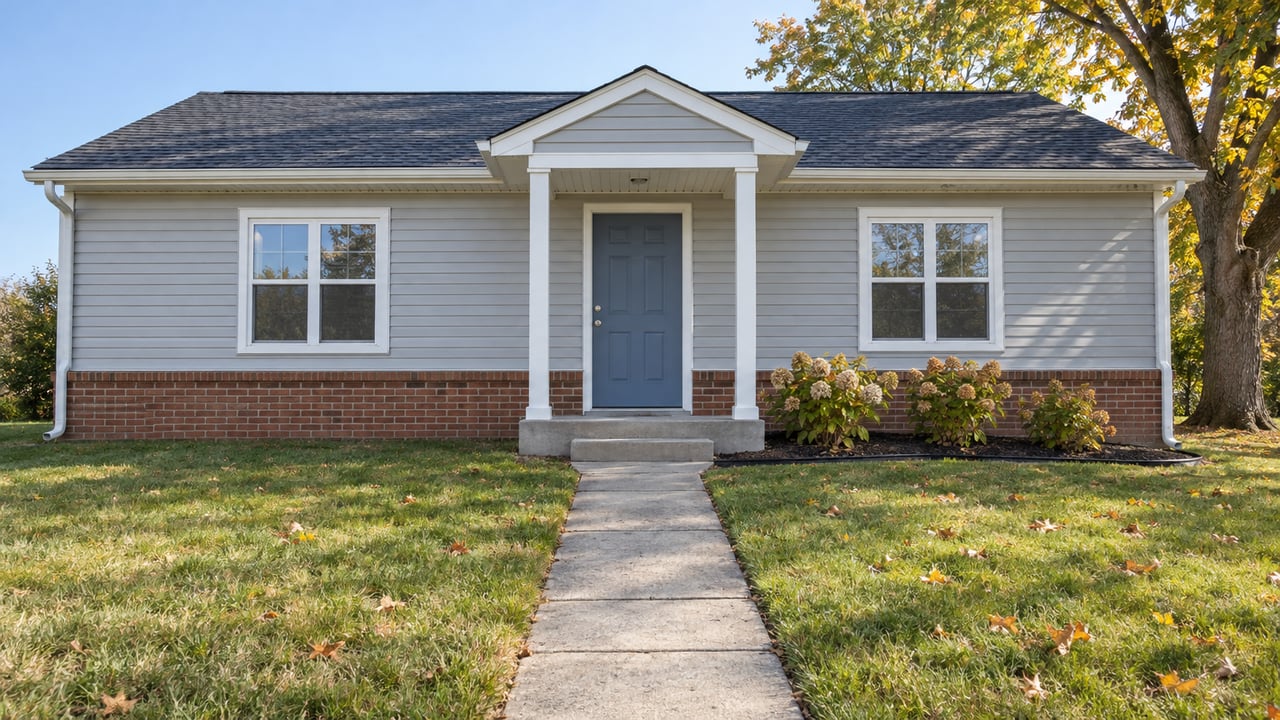
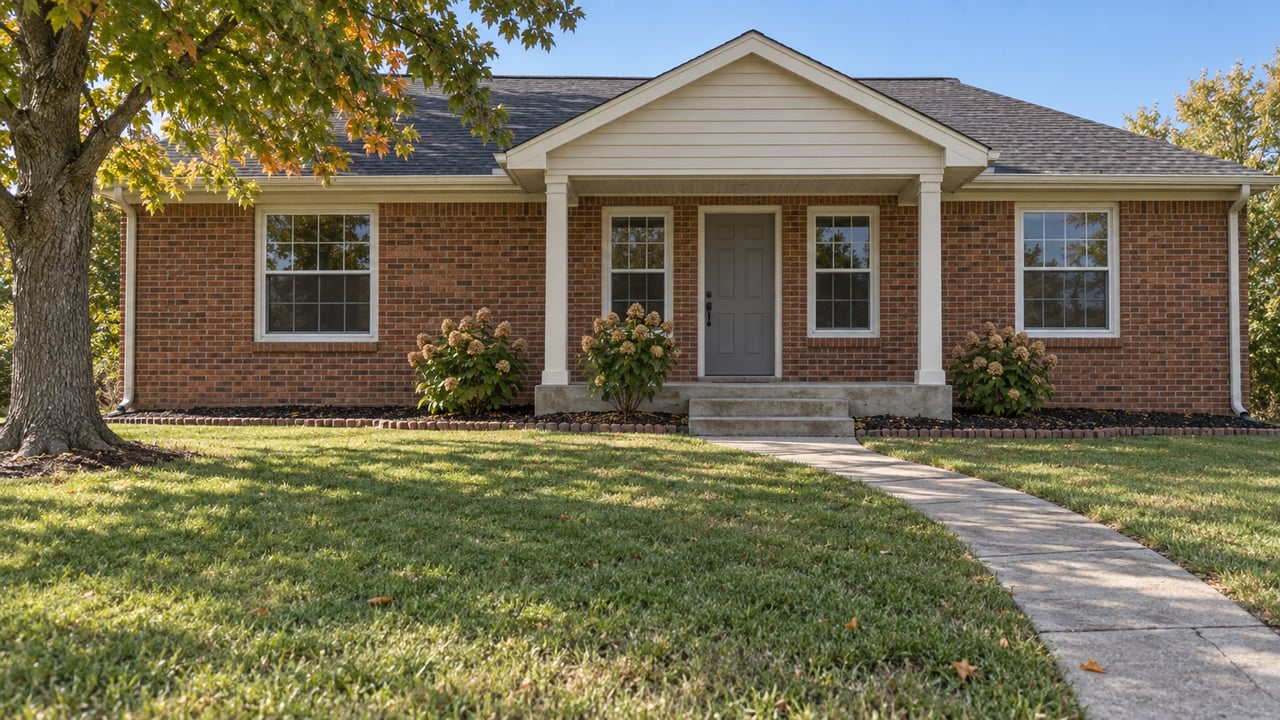
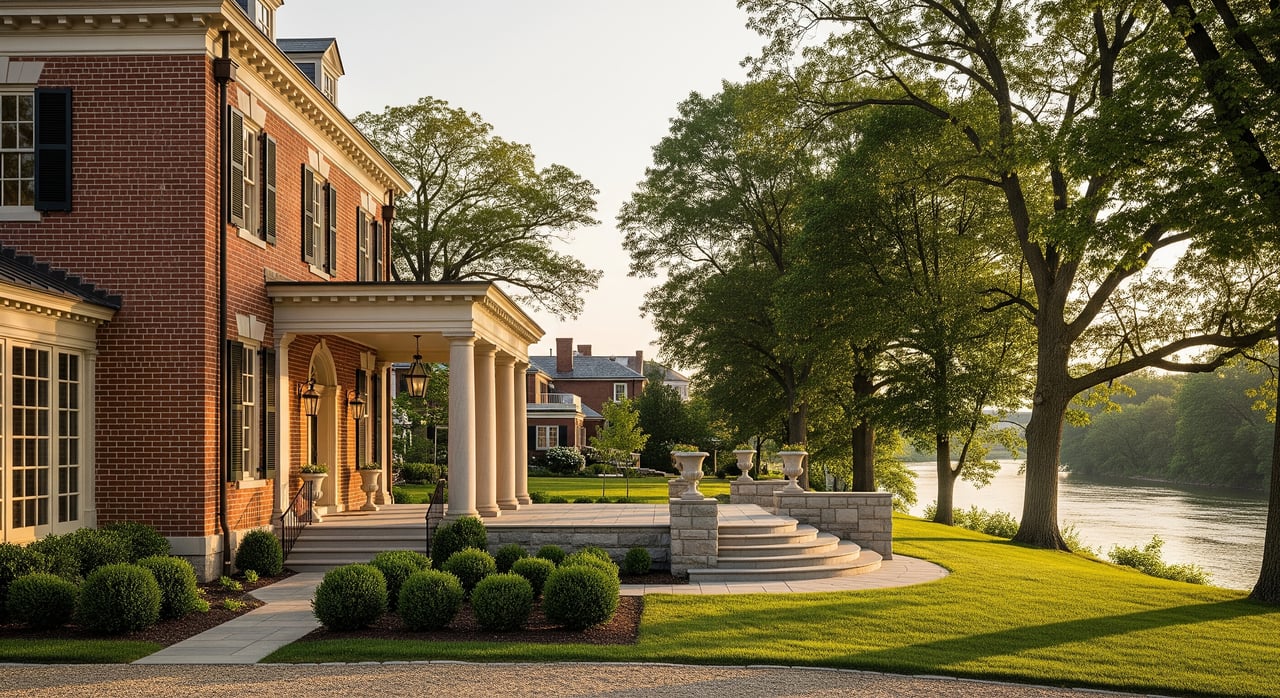
Vincennes offers variety if you like character homes and manageable lot sizes. Near downtown and the university, you’ll see late-19th-century brick homes, Victorians, and early 20th-century Craftsman bungalows. Across wider residential areas, mid-century ranches and modest single-family homes are common. Newer, large subdivisions are less frequent than in fast-growing suburbs.
Home prices here are generally lower than Indiana’s biggest metro areas. That value appeals to first-time buyers, budget-conscious movers, and downsizers. Many homes are older, so it’s wise to plan for thorough inspections and potential updates. Investors also look at student rentals and entry-level homes due to steady campus-related demand.
Where you might look
- Downtown and the courthouse square area: historic, walkable blocks close to shops and services.
- Near the university: higher rental density, college-oriented amenities, and easy access to campus events.
- Outlying residential pockets: quieter streets with mid-century homes and small subdivisions.
- Riverside locations: recreational access and scenic appeal, with typical river-adjacent considerations like reviewing floodplain maps and insurance.
What you can buy today
You’ll find starter homes with practical layouts, historic houses with original details, and simple ranches that are easy to maintain. Some properties may need updates, which can be an opportunity if you like adding value. Investors often target units near campus for reliable rental demand. If you want current listings tailored to your budget and goals, a local advisor can help you compare options block by block.
Getting around and commute basics
Most residents rely on a car. Public transit is limited, and drive times are typically short compared to larger cities. If you commute within Knox County or to nearby employment centers, you’ll likely spend less time in the car than big-metro commuters. For commuting trends and travel-to-work data, explore the transportation tables at the U.S. Census Bureau.
Regional connections
State and U.S. highways link Vincennes to surrounding towns and regional hubs. For flights, residents commonly use airports in larger nearby cities, planning a simple highway drive and parking on site. If you travel often, factor airport access and your typical flight routes into your location choice.
Schools and lifelong learning
Vincennes is served by local public schools with neutral, data-driven report cards available from the state. If you are comparing schools, review official information and tour campuses to understand programs and fit. You can view statewide K-12 data and report cards at the Indiana Department of Education.
Higher education is front and center. Vincennes University offers associate and select bachelor’s programs, plus cultural, athletic, and community events that enrich local life. Explore academic offerings and campus highlights at Vincennes University.
Healthcare, safety, and everyday services
You have access to local hospital care, clinics, and urgent care for routine needs. For specialized care, many residents plan visits to regional medical centers in larger cities. Everyday essentials like groceries, auto service, banking, and hardware are available locally, with more specialized shopping a short highway trip away.
Safety can vary by area and over time. It’s smart to review official data and check neighborhood conditions at different times of day. For city and county crime trends and reports, use the FBI Crime Data Explorer.
Broadband is increasingly strong in and near the city, though speeds can vary by address. If remote work is important, confirm provider options and service levels for specific properties. You can see availability and providers on the FCC National Broadband Map.
Who Vincennes tends to suit
- First-time buyers who value affordability and a manageable housing search.
- Buyers who appreciate historic character, a walkable core, and university culture.
- Retirees seeking a slower pace, easy parking, and a close-knit community.
- Investors focused on student rentals or entry-level single-family homes.
Tradeoffs to keep in mind
- Fewer high-paying corporate jobs within city limits, with many roles in education, healthcare, manufacturing, and local government.
- Smaller dining and entertainment scene than big metros, so some services may require a short drive.
- Older housing stock can mean maintenance and updates.
- Limited public transit, so owning a car is typically necessary.
A day in Vincennes
Start with coffee downtown, then stroll the courthouse square and nearby shops. Spend a midday hour along the Wabash River or visit a museum to connect with local history. Catch a university game, lecture, or concert in the afternoon or evening. Wrap up with dinner at a local spot and a quiet drive home with easy parking.
Is Vincennes right for you
- You want lower housing costs compared with larger Indiana cities.
- You prefer a small-city feel with civic pride and local events.
- You like historic neighborhoods and character homes.
- You are comfortable driving for specialized services, flights, or big-box shopping.
- You value a university presence and the programming that comes with it.
How Klein Real Estate helps
Choosing the right home in Vincennes comes down to local insight, street-level nuance, and a clear plan. Our family-led team has served Knox County since 1990, guiding everyday residential moves as well as commercial, multi-family, land, and auction transactions. We pair deep neighborhood knowledge with modern tools to help you compare options, understand tradeoffs, and move with confidence. Ready to learn what fits your goals in Vincennes? Connect with Klein Real Estate to get started.
FAQs
How affordable is housing in Vincennes, Indiana
- Home prices are generally lower than in larger Indiana metros, with a mix of historic homes and mid-century houses; review market trends and income data at the U.S. Census Bureau.
What are commutes and transportation like in Vincennes
- Most residents drive and enjoy shorter commutes than big-city norms; for commuting shares and travel-to-work data, see transportation tables at the U.S. Census Bureau.
What should I know about Vincennes schools
- Public schools are served by the local district, and you can review official performance data and report cards through the Indiana Department of Education.
Is Vincennes safe for everyday living
- Safety varies by neighborhood and over time; check city and county trends and recent reports using the FBI Crime Data Explorer and visit areas at different times of day.
How is internet service for remote work in Vincennes
- Broadband is available in and around the city, but speeds vary by address; confirm providers for a specific property using the FCC National Broadband Map.