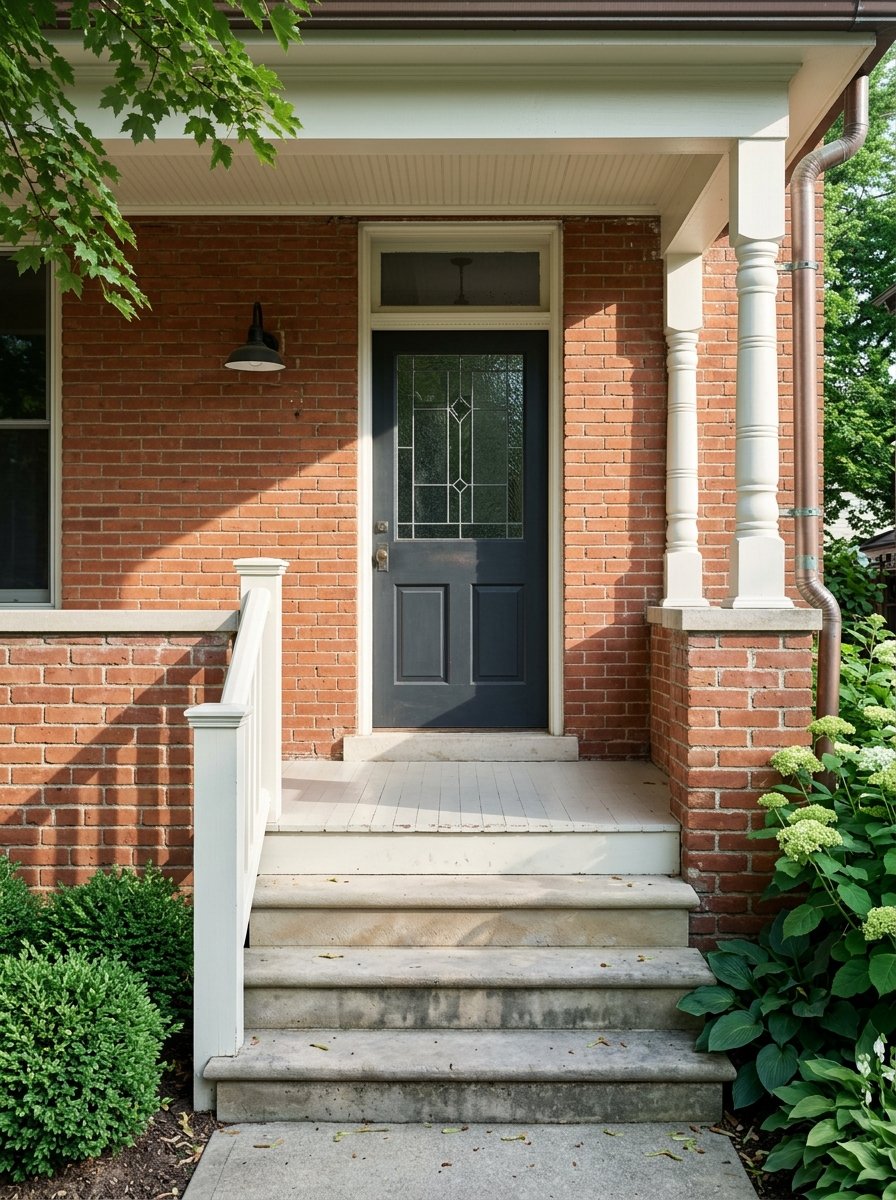
Thinking about buying a historic home in Vincennes? You are not alone. Older homes here offer real character, deep local roots, and details you just do not see in many newer houses. If you are drawn to vintage charm but want to make a smart purchase, this guide will help you understand what to look for, what to plan for, and how to move forward with confidence. Let’s dive in.
Why Vincennes Has So Many Historic Homes
Vincennes has one of the deepest historic housing inventories in Indiana. The city identifies itself as Indiana’s oldest European settlement, and that long history helps explain why so many older homes and buildings still stand in and around the city core.
In Old Town, many buildings and homes date to before 1900. The Vincennes Historic District was listed in the National Register of Historic Places in 1974, and local documentation describes the district as covering riverfront, Old French Town, courthouse, downtown commercial, and residential areas. For buyers, that means historic housing is not a rare niche here. It is part of the local landscape.
One of the clearest examples of Vincennes’ early housing history is the Old French House on North First Street. Indiana’s Historical Bureau identifies it as a circa 1806 French Creole cottage built with posts-on-sill construction. That matters because it shows just how far back the city’s residential story goes.
What Gives Historic Homes Their Appeal
Historic homes in Vincennes often attract buyers for one simple reason: they feel different. You may find original trim, tall windows, detailed porches, formal entries, and floor plans shaped by a different era of home design.
That appeal can vary by style. Some homes feel balanced and classic, while others feel ornate, cozy, or more open. In Vincennes, the preserved architecture includes a wide range of styles, which gives buyers several types of historic homes to explore.
Common Historic Styles in Vincennes
Federal Homes
Federal homes are known for symmetry and restraint. They are often square or rectangular in shape, with balanced front facades and a formal look that still feels timeless.
In Vincennes, Federal examples appear on local architecture tours in the downtown area. If you like orderly layouts and classic proportions, this style may stand out to you.
Greek Revival Homes
Greek Revival houses often have a boxy, rectangular shape and a strong front entry or porch. They were inspired by classical architecture, so they tend to look formal and structured from the street.
For buyers, that can translate to a straightforward floor plan and a home that feels stately without being overly decorative. Smaller examples may have simpler forms and fewer columns, but they often keep that same balanced look.
Italianate Homes
Italianate homes usually bring more decorative detail. Common features include low roofs, deep overhanging eaves, brackets, and prominent porches.
These homes often have less symmetry than earlier styles. If you like a house with visual interest and architectural detail, Italianate homes can offer plenty of personality.
Queen Anne Homes
Queen Anne houses are among the most visually distinctive historic homes. You may see wraparound porches, turrets, varied wall materials, and more decorative exterior elements.
Inside, the layout often centers around a main staircase and can feel more layered than earlier homes. In Vincennes, Queen Anne Revival examples help show the city’s late-Victorian character.
Bungalows and Colonial Revival Homes
Early 20th-century homes also play an important role in Vincennes’ historic housing stock. Craftsman bungalows are often one to two stories with broad gables, deep porches, and more open living and dining areas.
Colonial Revival homes move back toward symmetry and more classical detailing. If you want vintage charm with a layout that may feel more familiar for modern living, these styles are often worth a closer look.
What to Inspect Before Buying
When you buy an older home, charm should never replace careful due diligence. In historic properties, the most important issue to watch is often moisture.
The National Park Service says uncontrolled moisture is the most common cause of deterioration in older and historic buildings. That can include ground moisture, poor rain runoff, and ventilation issues inside the home.
Check for Moisture Problems
Pay close attention to:
- Roof condition
- Gutters and downspouts
- Grading around the house
- Basements or crawlspaces
- Signs of dampness or past water intrusion
Even a beautiful home can hide long-term moisture issues. A careful inspection can help you understand whether you are looking at a manageable maintenance item or a larger repair need.
Look Closely at Windows and Doors
Historic windows and doors deserve more than a quick glance. Preservation guidance notes that older windows and doors can often be repaired or upgraded rather than replaced.
That is important if you want to preserve original character. Before making assumptions about replacement costs, it is smart to evaluate them one by one and understand their actual condition.
Notice Exterior Materials and Details
Local guidance for the district emphasizes protecting original masonry and preserving details like cornices, window arches, and frames. It also advises against abrasive paint removal methods.
If a home still has original exterior details, those features may add both charm and maintenance responsibility. When you walk through a property, try to look past the surface and identify what is original, what has been altered, and what may need specialized care.
Understand Lead-Based Paint Risks
Lead-based paint is a standard concern in homes built before 1978. The EPA states that the older the home, the more likely it is to contain lead-based paint.
If you are considering renovation work that could disturb painted surfaces, certified lead-safe contractors may be needed. Sellers are also required to provide lead information before a buyer is obligated under contract.
Budget for Preservation, Not Just Updates
Historic homes often need a different mindset than newer homes. In many cases, the goal is not simply to replace older materials with new ones. It is to preserve what makes the home special while addressing condition issues in a practical way.
Because many homes in Vincennes’ Old Town date to before 1900, age-related concerns are part of normal ownership. Inspection findings should shape your budget early, especially if you expect work on roofing, drainage, windows, paint, or exterior materials.
A cosmetic refresh may be only part of the picture. The real cost of ownership may include ongoing maintenance that protects the home’s long-term condition and character.
Know the Local Review Process
Before you plan exterior changes, it is important to know whether the home is in Vincennes’ historic district. The city says its Historic Review Board oversees historic properties, meets on the first Tuesday of each month at 5:30 p.m., and requires a $50 application fee for Historic Review Board items.
District guidance states that visible exterior changes affecting the character of a building generally go through review and a Certificate of Appropriateness process. That means projects like exterior alterations may need an extra step before work begins.
This is one reason buyers should verify the property’s status early. A house can be old without being subject to local historic review, so the practical question is not just age. It is whether the property is in a locally regulated area or otherwise recognized as a historic resource.
Tax Credit Possibilities for Owners
Some buyers planning substantial rehabilitation may qualify for help through Indiana’s Residential Historic Rehabilitation Tax Credit. According to Indiana’s Division of Historic Preservation and Archaeology, the home must be at least 50 years old, located in Indiana, and owned and occupied as your primary residence.
The property must also be listed individually in the Indiana Register or be a contributing resource within a listed district. Qualified rehabilitation expenditures must exceed $10,000, and the credit is the lesser of $10,000 or 20% of qualified rehabilitation expenses, subject to a statewide annual cap of $250,000.
The state also recommends filing the initial application before work begins. If you are considering a major project, that timing detail matters.
Smart Buying Tips for Historic Homes
Buying a historic home in Vincennes can be rewarding, but it helps to go in with a clear plan. A few steps can make the process smoother.
Confirm the Home’s Historic Status
Ask whether the property is within the local historic district or is considered a contributing resource. That can affect how you approach exterior changes, budgeting, and long-term planning.
Review Inspection Findings Carefully
Historic homes often come with inspection items that sound intimidating at first. Focus on the issues that affect structure, moisture control, and safety first, then sort cosmetic items separately.
Match the Home to Your Comfort Level
Some buyers love the idea of taking on a preservation project. Others want historic character with fewer immediate repair demands.
Be honest about your budget, timeline, and patience for ongoing maintenance. That will help you choose a home that fits your life, not just your wish list.
Plan Renovations in the Right Order
If changes are needed, start by confirming whether review or permits apply. Then build your renovation plan around inspection results instead of assumptions about finishes or style updates.
That approach can save you time, money, and frustration. It also helps protect the features that made you fall in love with the home in the first place.
Historic Charm With a Practical Plan
A historic home in Vincennes can offer warmth, craftsmanship, and a strong connection to local history. It can also come with extra decisions around inspections, maintenance, and exterior review.
When you understand the styles, the common issues, and the local process, you are in a much better position to buy wisely. If you are ready to explore older homes in Vincennes or want help weighing charm against upkeep, the team at Klein Real Estate is here to help you make a confident move.
FAQs
What makes Vincennes a strong place to find historic homes?
- Vincennes has a large inventory of older homes because it is Indiana’s oldest European settlement, and many homes in Old Town date to before 1900.
What historic home styles are common in Vincennes?
- Buyers in Vincennes may find Federal, Greek Revival, Italianate, Queen Anne, Craftsman bungalow, Colonial Revival, and early French Creole influences.
What should you inspect first in a historic home in Vincennes?
- Moisture-related issues should be a top priority, including the roof, gutters, grading, basement or crawlspace conditions, and signs of water intrusion.
What should buyers know about windows in older Vincennes homes?
- Historic windows may often be repaired or upgraded rather than replaced, so it is smart to inspect them carefully before assuming full replacement is needed.
What should buyers know about lead-based paint in historic homes?
- Homes built before 1978 are more likely to contain lead-based paint, and sellers must provide lead information before a buyer is obligated under contract.
What exterior work may need review in Vincennes’ historic district?
- Visible exterior changes that affect a building’s character generally go through local review and a Certificate of Appropriateness process.
What is the Indiana tax credit for historic home rehabilitation?
- Eligible owner-occupants may qualify for a state tax credit if the home meets program requirements and qualified rehabilitation expenses exceed $10,000.