If you have been thinking about buying a duplex or small apartment building in Vincennes, you are not alone. Small multifamily can look like a practical way to build income, but the numbers only work when you understand local rents, property condition, and city or county rules before you buy. This guide walks you through the basics of getting started in Vincennes so you can evaluate opportunities with more confidence. Let’s dive in.
What small multifamily means in Vincennes
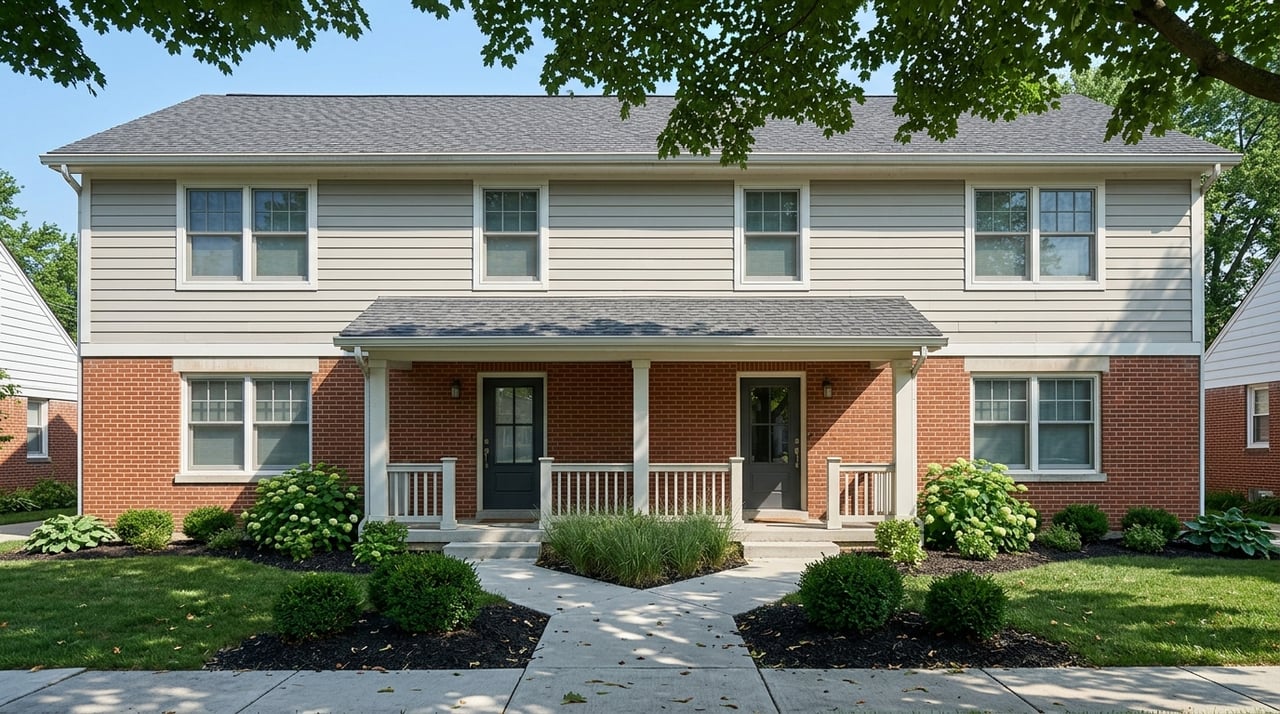
In Vincennes, small multifamily usually includes duplexes, triplexes, fourplexes, and modest apartment buildings. The city’s rental code also separates out purpose-built duplexes, purpose-built multifamily housing, rental unit communities of five or more units, and apartment complexes.
That matters because the type of property you buy can affect inspections, parking expectations, and how you plan repairs or upgrades. Before you make assumptions about a property, it helps to confirm exactly how it is classified and which local rules apply.
Why Vincennes can appeal to new investors
Vincennes is a smaller market, which can feel more approachable when you are just getting started. As of July 1, 2025, the city’s population estimate was 16,378, while Knox County’s was 35,652.
The city also has a meaningful renter base. Vincennes has an owner-occupied housing rate of 51.7%, compared with 67.8% for Knox County overall. While that does not give you a direct vacancy rate, it does suggest the city is more renter-heavy than the county as a whole.
At the same time, this is not a market where you want to underwrite loosely. Median gross rent in Vincennes is $793, and median monthly owner cost with a mortgage is $1,040. That spread is a reminder that cash flow can tighten quickly if you face vacancy, repairs, or higher-than-expected operating costs.
Start with your investment strategy
Before you look at listings, decide what kind of purchase you want to make. Your first big question is whether you plan to live in one unit or buy the property strictly as an investment.
That choice can shape your financing path. Fannie Mae defines an investment property as one the borrower owns but does not occupy. Freddie Mac’s 2- to 4-unit mortgage products are for owner-occupied primary residences, and rental income from the other units may be counted toward qualifying income.
In simple terms, a house hack and a pure investment purchase are not the same thing. If you plan to owner-occupy, your lender may evaluate the deal differently than if you plan to rent out every unit.
How to size the opportunity
A good first deal is usually the one you can understand clearly. That means looking at rent, expenses, condition, and compliance before you focus on best-case returns.
Knox County has 16,974 housing units and 15,169 households, with a 59.5% employment rate and median household income of $61,237. Those figures give you useful context when you estimate tenant demand and set realistic rent expectations.
Check the rent roll carefully
Projected rent is one of the easiest places to get too optimistic. In a market like Vincennes, it is smart to compare asking rents and lease terms with what the property is actually producing today.
Use local market evidence and current leases whenever possible. With median gross rent at $793 in Vincennes, a deal should be based on supportable numbers, not a hopeful future rent figure that may be hard to achieve.
Build in vacancy and reserves
Even if a property is full today, you still need room in the budget for turnover, nonpayment, and unexpected repairs. A small multifamily property can feel stable until one vacant unit changes the math.
It also helps to keep an emergency cushion. Early planning should include several months of expenses so a repair or leasing gap does not put pressure on your monthly budget.
Know the true monthly costs
Your payment is more than principal and interest. You also need to account for property taxes, insurance, utilities, repairs, management if needed, and ongoing reserves.
If you skip those items, a property that looks profitable on paper can become stressful in real life. New investors often do better when they underwrite conservatively and treat maintenance as a regular cost, not a rare surprise.
Condition and code issues can change the deal
In Vincennes, property condition is not just about appearance. Local rental standards can directly affect what you need to spend before or after closing.
The city’s rental code addresses sanitation, drainage, weed control, grass maintenance, sound accessory structures, and fire-safety equipment. If a building needs work in any of those areas, your rehab budget and timeline may need to be larger than expected.
This is one reason inspections and pre-closing due diligence matter so much. A lower purchase price can still be expensive if the property needs immediate compliance work.
Understand the city registration rules
If your property is inside Vincennes city limits, rental registration is a key step. Rental units must be registered annually with the Rental Housing Officer, and the fee is $5 per unit due February 1.
If ownership changes, the new owner must register the units. Compliant units receive an occupancy permit at no charge, and it is a violation to maintain a rental unit without one.
Once issued, the occupancy permit does not expire unless ownership changes. That makes it especially important to confirm a property’s current status during due diligence so you know what will need to be updated after closing.
Learn the inspection cycle before you buy
Inspection timing can affect both your budget and your first-year plan. In Vincennes, rental units are inspected on a two-year cycle.
There are some differences by property type. Purpose-built duplexes and purpose-built multifamily housing have a three-year period if there are no violations, while converted housing has a two-year period.
That distinction matters when you compare properties that look similar at first glance. A purpose-built duplex may come with a different compliance rhythm than a converted structure.
Do not overlook parking requirements
Parking can sound like a minor issue until it affects occupancy or compliance. In Vincennes, scattered-site rental units must provide parking for at least 50% of adult occupancy.
Apartment complexes must provide one off-street parking space per unit. If you are considering adding units or changing how a property is used, parking is one of the practical details to verify early.
Confirm whether city or county rules apply
Not every property near Vincennes follows the same process. Before you buy, confirm whether the property is inside city limits or in the county.
Inside Vincennes, the City Inspector’s Office enforces city code. For county parcels, the Knox County Area Plan Commission administers the county comprehensive plan, zoning ordinance, subdivision control ordinance, flood damage prevention ordinance, and E-911 addressing ordinance, and it reviews zoning changes, conditional uses, variances, and permit applications.
That difference can shape what you can do with the property and which office you need to contact. It is better to confirm jurisdiction early than to discover a zoning or permit issue after you are under contract.
Handle title, taxes, and records early
Good due diligence goes beyond the building itself. You also want a clear picture of the public records tied to the property.
The Knox County Recorder maintains deeds, mortgages, mechanic’s liens, releases, and plats. The Knox County Assessor appraises taxable property, and the Treasurer collects property taxes, which are due May 10 and November 10 each year.
These details help you verify ownership history, watch for recorded issues, and plan your annual expenses. They also give you a better sense of the full cost of owning the property after closing.
Build the right local team
Small multifamily investing is easier when you have the right people around you. A practical local team often includes a lender, agent, inspector, title or record-search support, contractor, accountant or financial planner, and property manager.
That team can help you compare rents and expenses, check the property condition, confirm jurisdiction, and keep your due diligence moving. For more detailed planning around taxes, loan structure, or legal setup, it is wise to bring in the right financial and legal professionals early.
A practical first step for Vincennes buyers
If you are just getting started, focus on a property type and purchase plan you can manage well. A duplex, triplex, or fourplex may offer a more straightforward starting point than a larger building with more moving parts.
Then review the basics in order:
- Decide whether you will owner-occupy or invest from day one
- Estimate rents using supportable local numbers
- Budget for taxes, insurance, repairs, utilities, and reserves
- Review property condition with local code requirements in mind
- Confirm whether the property is in the city or county
- Verify registration, occupancy permit status, parking, and inspection timing
- Check title, taxes, and recorded documents before closing
In a smaller market like Vincennes, the best opportunities often go to buyers who stay practical and prepared. When you know the local rules and run careful numbers, you put yourself in a much stronger position to buy well.
If you are exploring duplexes, fourplexes, or other multifamily opportunities in Vincennes and Knox County, Klein Real Estate can help you evaluate local options with clear, grounded guidance.
FAQs
What counts as small multifamily property in Vincennes?
- Small multifamily in Vincennes generally includes duplexes, triplexes, fourplexes, and modest apartment buildings, though the city code also distinguishes between purpose-built duplexes, purpose-built multifamily housing, rental unit communities of five or more units, and apartment complexes.
What should a new multifamily investor look at first in Vincennes?
- Start with your strategy, then review supportable rent, likely expenses, property condition, and whether the property falls under city or county rules.
Do rental properties in Vincennes need to be registered?
- Yes. Inside Vincennes city limits, rental units must be registered annually with the Rental Housing Officer, and new owners must register when ownership changes.
Do Vincennes rental properties need an occupancy permit?
- Yes. Compliant units receive an occupancy permit at no charge, and it is a violation to maintain a rental unit without one.
How often are rental units inspected in Vincennes?
- Rental units are inspected on a two-year cycle, but purpose-built duplexes and purpose-built multifamily housing have a three-year period if there are no violations, while converted housing has a two-year period.
What parking rules apply to rental property in Vincennes?
- Scattered-site rental units must provide parking for at least 50% of adult occupancy, and apartment complexes must provide one off-street parking space per unit.
How can you tell if a multifamily property is under city or county rules near Vincennes?
- You should verify whether the property is inside Vincennes city limits or in Knox County, because the City Inspector’s Office handles city enforcement while the Knox County Area Plan Commission handles county zoning and related land-use administration.
What local records matter when buying a small multifamily property in Knox County?
- Key records include deeds, mortgages, mechanic’s liens, releases, plats, assessed value information, and property tax status, along with the tax due dates of May 10 and November 10 each year.