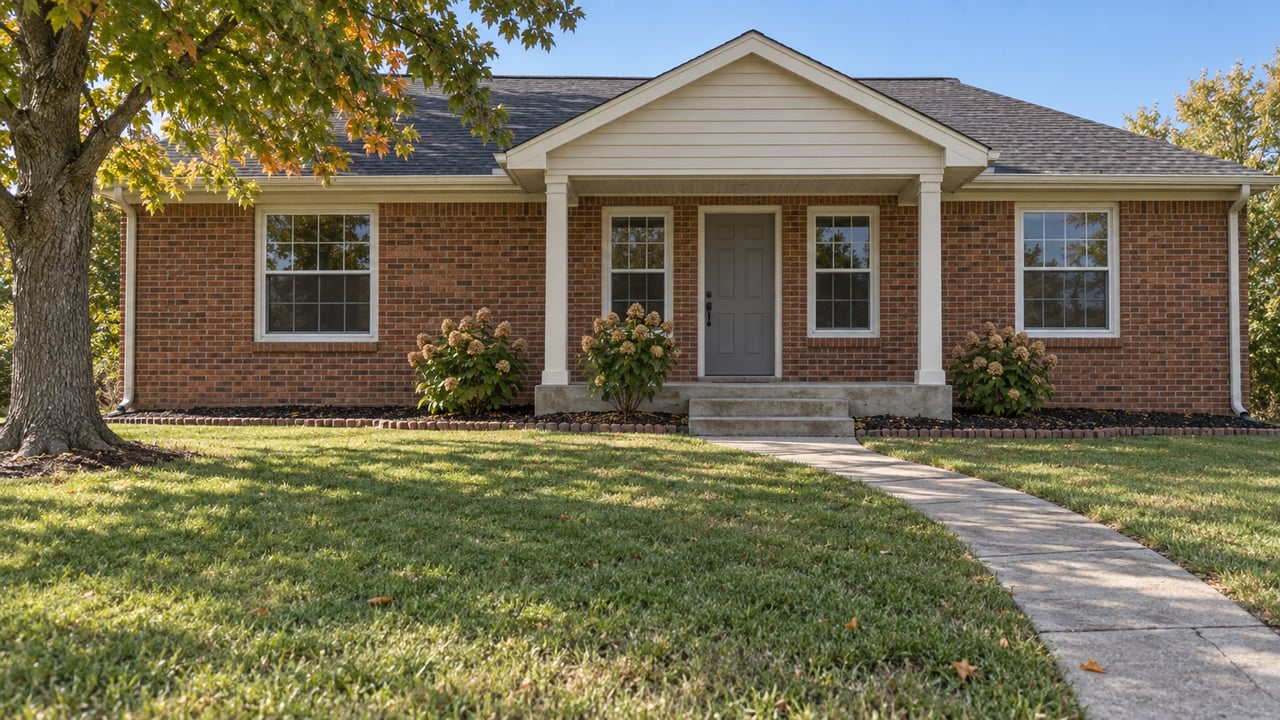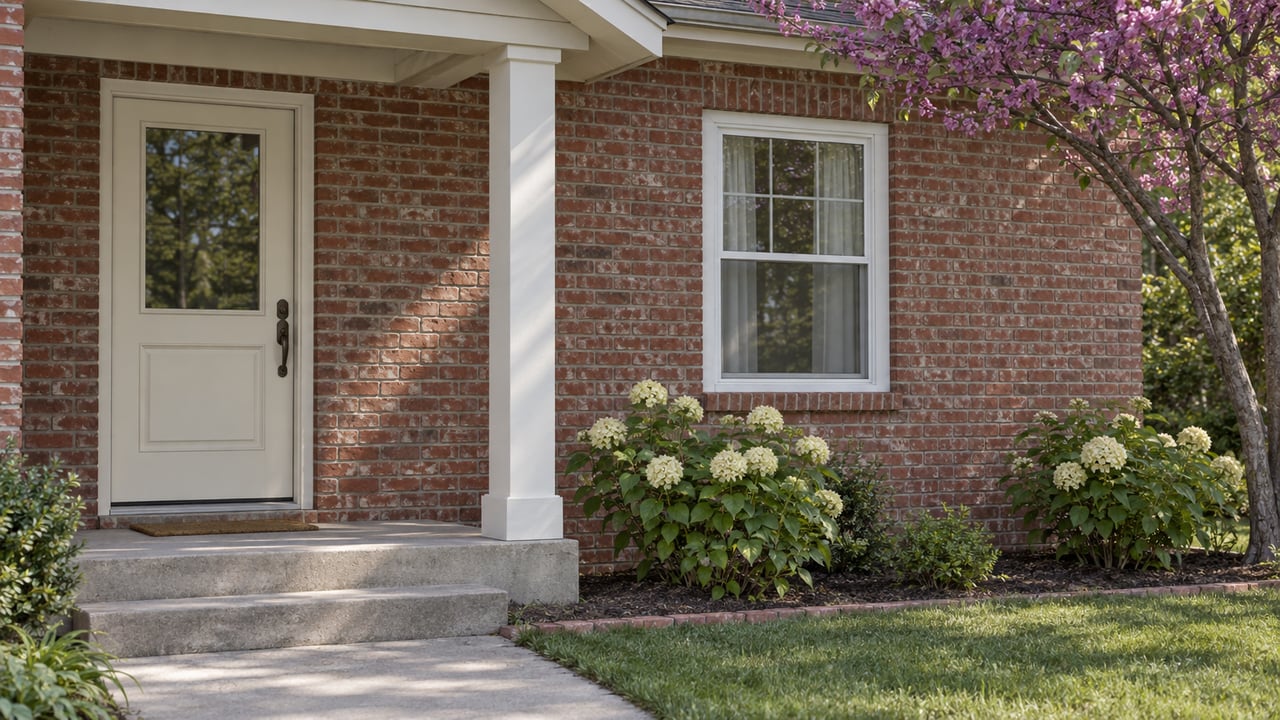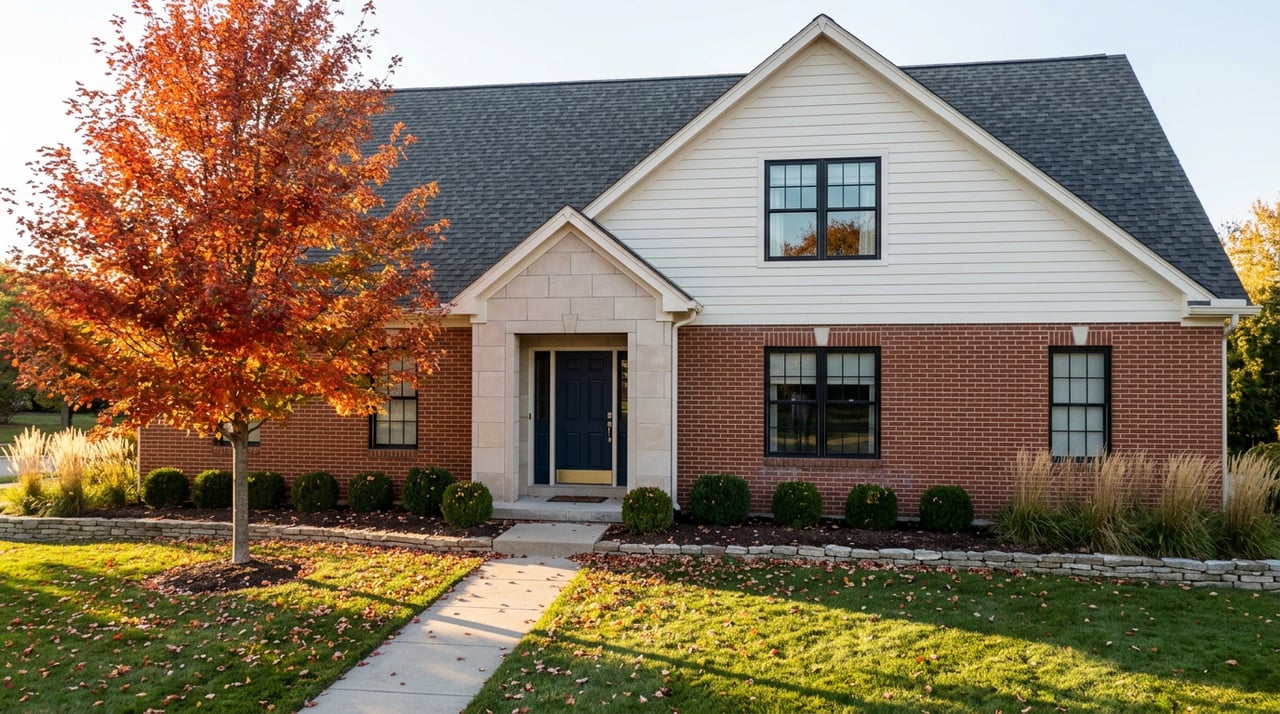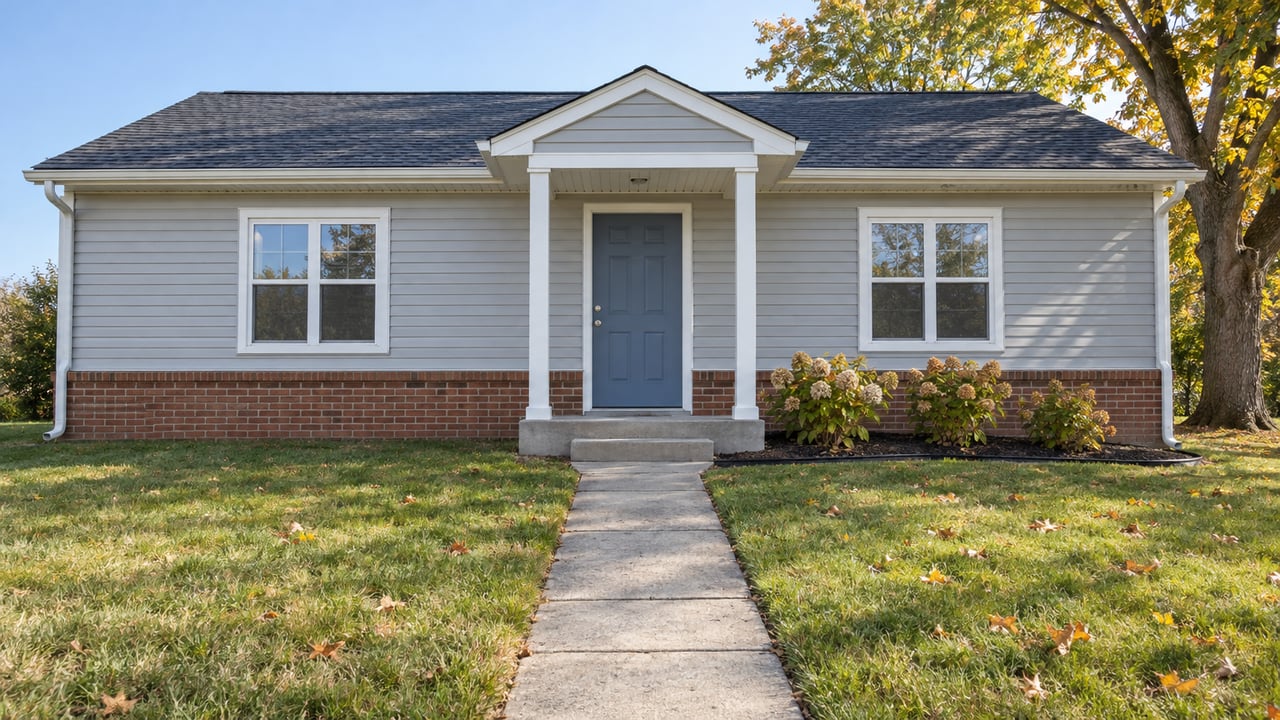
At an April meeting of the Bicknell Common Council, Mayor Thomas Estabrook gave a short report. According to the Vincennes Sun-Commercial, he had bought around $17,000 in lots around town from the Bicknell Bulldog Development Corporation during the Commissioners Certificate sale.
His explanation after the meeting, as the Sun-Commercial reported it, describes the whole Bicknell housing model in two sentences:
"It gives us an opportunity to have building sites for residential construction, it also gives us local control of properties that may be owned by someone who is out of county, out of state, not paying taxes. When we own it locally we have a lot more options."
Bicknell sits about 20 miles north of Vincennes. In June, Knox County Indiana Economic Development reported that the city's lot program had produced more than 20 new homes and set off more independent construction around town. The city took over the slowest, least profitable part of building in a small town, which is getting a clean, buildable lot with clear ownership. Now that builders pay the city back for those lots, the program also tells you where Bicknell's prices stand.
The Lots Come Out of the County's Tax-Sale Pipeline
Most buyers never see this part of the process. Bicknell does not buy lots off the open market. Its supply comes from parcels nobody bid on at Knox County's regular property tax sale.
Indiana law handles those leftover parcels in a set order:
- The regular tax sale comes first. If a parcel gets no bid, the county executive takes the lien.
- The county can offer the certificate again at a lower price. The county executive can pass a resolution putting those certificates up for public sale below the original minimum. Notice has to run weekly for three straight weeks, with the last notice at least 30 days before the sale. Under the Indiana Code, Chapter 24, the highest bidder pays the county treasurer and gets the certificate.
- The owner still has time to redeem. For a certificate bought at a commissioners' sale, the redemption period is 120 days after the sale, under Indiana Code, Chapter 25.
- The buyer has to send notice. Within 90 days of the sale, the purchaser must notify the owner and anyone with a recorded substantial interest.
- A court approves the deed, and the auditor issues it. After redemption expires, the purchaser can petition a court for a tax deed. The county auditor won't issue or record that deed unless, within 150 days of the hearing that grants the petition, the court order and sales disclosure form are filed with the auditor, the recording fees are paid and any outstanding property taxes are paid.
That process takes months and involves notices, a court hearing and filing deadlines, all before anyone pours a foundation. A builder trying to put up a $150,000 house usually can't wait that long or pay for that legal work. A city can, because it isn't trying to profit on each lot. Business View Magazine's January profile of the city reports that Bicknell used the certificate-sale process to acquire 45 vacant properties as a bank of buildable lots.
This is a general explanation of how the statute works. It is not legal or financial advice. Anyone thinking about bidding on a tax certificate should talk with an Indiana real estate attorney about their own situation.
Why the Price of a Lot Shows the Market Changed
The Bicknell Bulldog Development Corporation handles the land side. It takes in properties, clears them when needed and sells the prepared lots to qualified developers. Estabrook told KCIED that the first round of lots was basically a giveaway to get construction started. After it worked, the city kept buying property and started charging $1,000 to $2,500 per lot.
The move from free lots to priced lots matters most. Business View Magazine reports that the city now asks developers to cover its acquisition costs, usually a few thousand dollars per lot, and that serious builders pay it "without hesitation." Bicknell used to have trouble attracting builders. Now developers are coming forward on their own.
A free lot only tests whether anyone will build at all. Builders who pay what the land actually cost and come back for more are selling finished homes for enough to cover both the lot and construction. The sources don't put a number on how much construction costs here compared with what homes appraise for, so nobody can say exactly how wide that margin is. What they do show is that it went from below zero to workable.
Builders have settled on a specific kind of house. According to Business View, local builders have picked out lots for 1,200-square-foot homes with three bedrooms and two baths.
The $150,000 Number, Next to the County
Estabrook told Business View that homes in Bicknell are now selling for $150,000 and above, a price that was "once unthinkable locally." It's a broad, town-wide statement, not a sale-by-sale record. Still, it means more once you put it next to Knox County's current numbers from Indiana REALTORS.
| Knox County measure | Period | Figure |
|---|---|---|
| Median sale price, existing homes | September 2026 | $144,900 |
| Closed sales, existing homes | September 2026 | 31 |
| Median sale price, year to date | Through September 2026 | $156,750 |
| Median days, listing to pending | Through September 2026 | 27 |
Be careful with the September median. It comes from just 31 closed sales, it is 36% lower than a year earlier, and it landed below the report's own expected range of $148,874 to $164,545. The year-to-date figure of $156,750 is steadier. Median time from listing to pending through September is 27 days, up 12% from last year.
So the middle of the Knox County market sits roughly between $145,000 and $157,000, and Bicknell's $150,000 sales fall inside that range. A town where that price used to be out of reach now trades in the same band as the rest of the county. A newly built three-bedroom, two-bath house there competes for the same buyers as existing homes across the county. Those existing homes are mostly older, and statewide figures from Indiana REALTORS put the median Indiana home at 50 years old.
Vincennes Is Adding Housing a Different Way
Bicknell's approach stands out because the county seat is adding housing differently. In its June report, KCIED described the Vincennes side:
- Bierhaus Flats, a $35 million, 240-unit market-rate apartment complex from Simplified Developments. The first 24 units were set for mid-June move-ins.
- Firehouse Flats, a proposed downtown market-rate project. As of June, Tim Smith of the Vincennes Redevelopment Commission expected it to break ground later this year.
- A student-built home on Buckridge Drive, a three-bedroom house framed, wired and finished by juniors and seniors from Lincoln High School in a program led by Vincennes University's Aaron Kitzman. A second house involving students from all three county schools is planned.
Local officials trace all of this to a housing study KCIED commissioned with community leaders a few years ago. KCIED then took the study's findings to local developers.
Vincennes is mostly attracting developers with larger projects. Bicknell is lowering costs at the smallest scale, one lot at a time. Both are working against a statewide shortage. Indiana REALTORS reports that single-family building permits have stayed 40% below their 1997 to 2006 levels over the past five years. Phil Reinbrecht of Simplified Developments told KCIED he expects new single-family homes to be the next opportunity. Bicknell is already building them.
What This Means If You're Comparing Towns in Knox County
The lot program shapes what you can find in Bicknell in a few specific ways:
- There will be more new houses. A bank of 45 lots acquired through the certificate sale means more starter-size houses can follow the first 20-plus.
- Lots go to builders. The published descriptions say the city sells to qualified developers. Neither source lists terms like build deadlines, price limits or occupancy rules, so ask about any lot or house before you assume.
- The streets are being improved too. The South Main Street rebuild cost about $800,000 with help from Indiana's Community Crossings program. It added new curbs, sidewalks and drainage, and roughly a mile of continuous walking route runs from South Side Park north toward the county fairgrounds. In June, Estabrook said the city is still seeking funding for streetscapes, sidewalks and utilities to go with the new homes.
- Downtown may be next. At the same April meeting, the Sun-Commercial reported, the council let the mayor look into buying property on the 200 block of Wheatland Avenue. That would expand city-owned land there to about one and a half acres for possible downtown commercial development.
"This is changing how Bicknell looks and feels, especially in generating buyer interest," Estabrook told KCIED. For a buyer, that means more newer homes on the market in Bicknell, priced close to the county median and backed by city-funded street work.
If you're deciding between a new build in Bicknell and an older home somewhere else in the county, Klein Real Estate can walk you through recent sales in both towns. If you already own in Knox County and want to know where your home falls in that $145,000 to $157,000 range, start with an Instant Home Valuation.